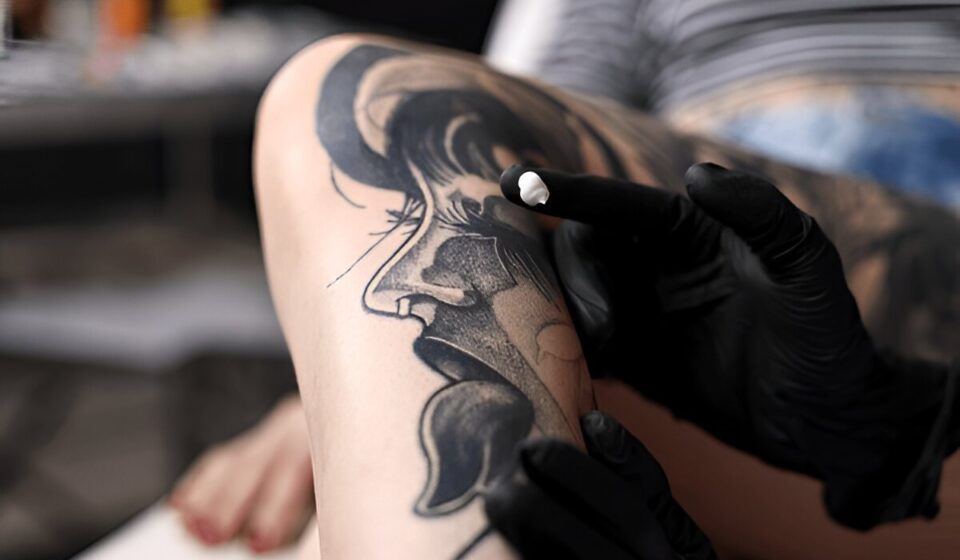
Quick Answer: Yes, numbing cream works for tattoos, but it does not remove pain completely. It helps reduce discomfort, especially during the first 1 to 3 hours, depending on the product, your skin, and how it is applied.
Table Of Content
- Does Numbing Cream Work for Tattoos?
- Does Tattoo Numbing Cream Really Work?
- How Well Does Numbing Cream Work for Tattoos?
- How Does Tattoo Numbing Cream Work?
- Common Ingredients in Tattoo Numbing Creams
- Is Numbing Cream Safe for Tattoos?
- Possible Side Effects and Risks
- Does Numbing Cream Affect Tattoo Quality?
- How to Use Numbing Cream Before a Tattoo
- Step-by-Step Guide
- When Should You Avoid Using Numbing Cream?
- Tattoo Pain Without Numbing Cream vs With Numbing Cream
- Should You Talk to Your Tattoo Artist First?
- Final Thoughts: Does Numbing Cream Really Work for Tattoos?
- Does numbing cream completely stop tattoo pain?
- How long does tattoo numbing cream last?
- Does tattoo numbing cream really work?
- Can numbing cream affect a tattoo?
If you’re preparing for a tattoo session, especially a longer or more detailed one, you may be wondering: does numbing cream work for tattoo pain? The short answer is yes—but only when used correctly and with your tattoo artist’s approval.
In this guide, we’ll explain how tattoo numbing cream works, how well it works, whether it is safe, and whether it can affect the tattooing process or final result.



Does Numbing Cream Work for Tattoos?
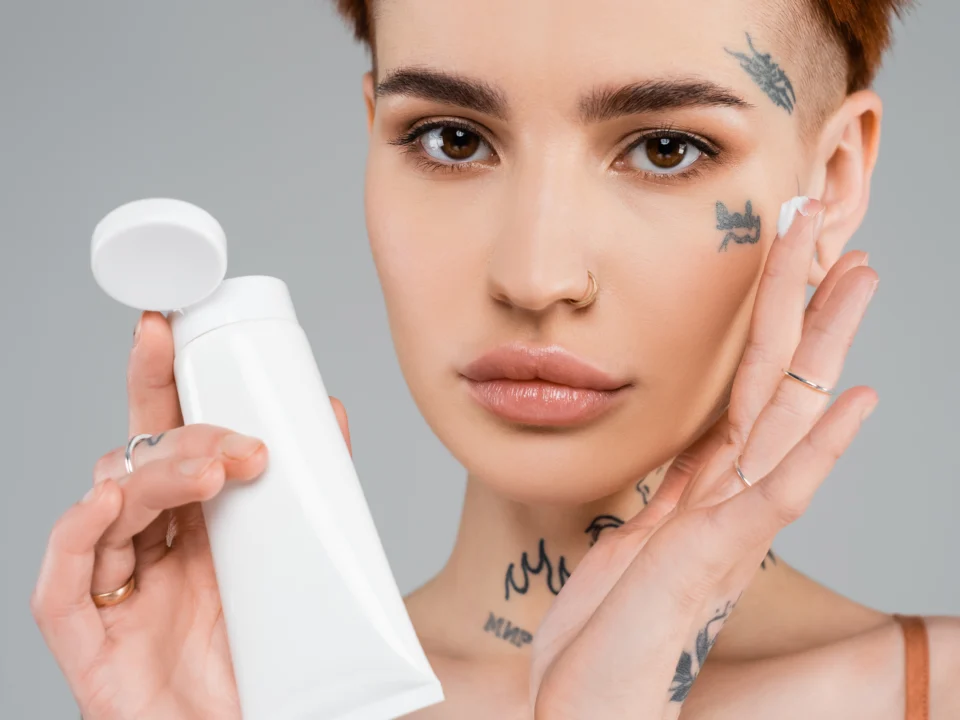
Yes, tattoo numbing cream does work for many people. It is designed to reduce pain by temporarily dulling nerve signals in the skin, making the tattoo session more manageable—especially during the early stages.
However, tattoo numbing cream does not completely eliminate pain. You may still feel pressure, vibration, and some discomfort, particularly during longer sessions or in highly sensitive areas.
How well numbing cream works depends on:
- The active ingredients
- How the cream is applied
- Your skin sensitivity
- The placement of the tattoo
- The length of the tattoo session
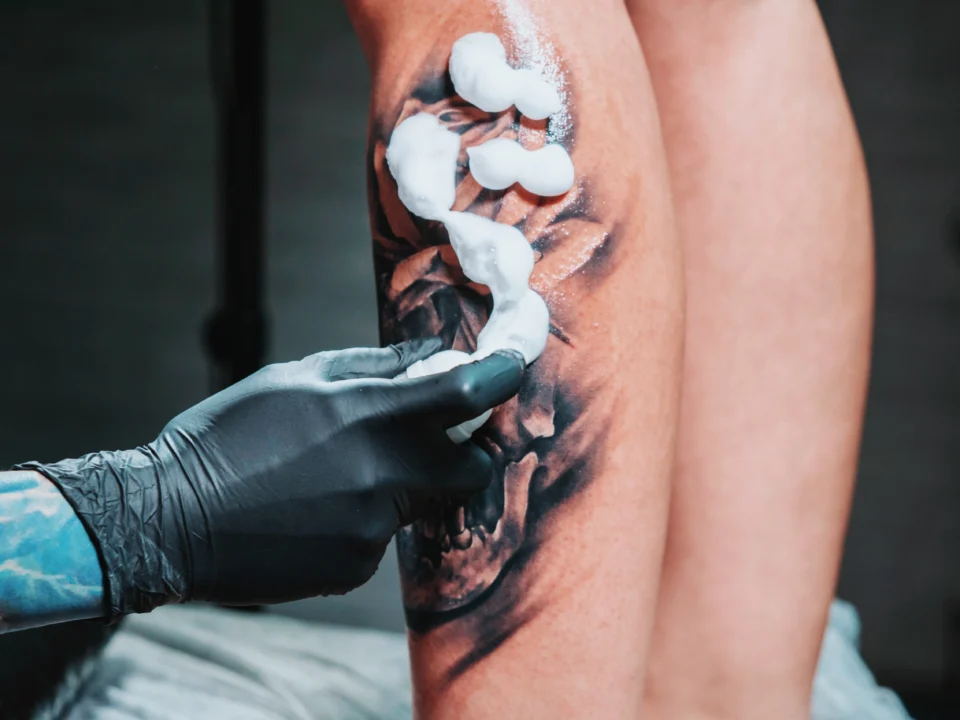
“Tattoo numbing cream can reduce pain, but it does not completely block every sensation during a tattoo.”
Does Tattoo Numbing Cream Really Work?
Yes, tattoo numbing cream really works when you use a quality product and apply it correctly. Most people notice the biggest benefit during outlining or the beginning of a session, which is often when tattoo pain feels the strongest.
Still, results vary from person to person. Some users feel significant relief, while others only notice mild pain reduction. That is why realistic expectations are important when deciding whether to use numbing cream before a tattoo.
How Well Does Numbing Cream Work for Tattoos?
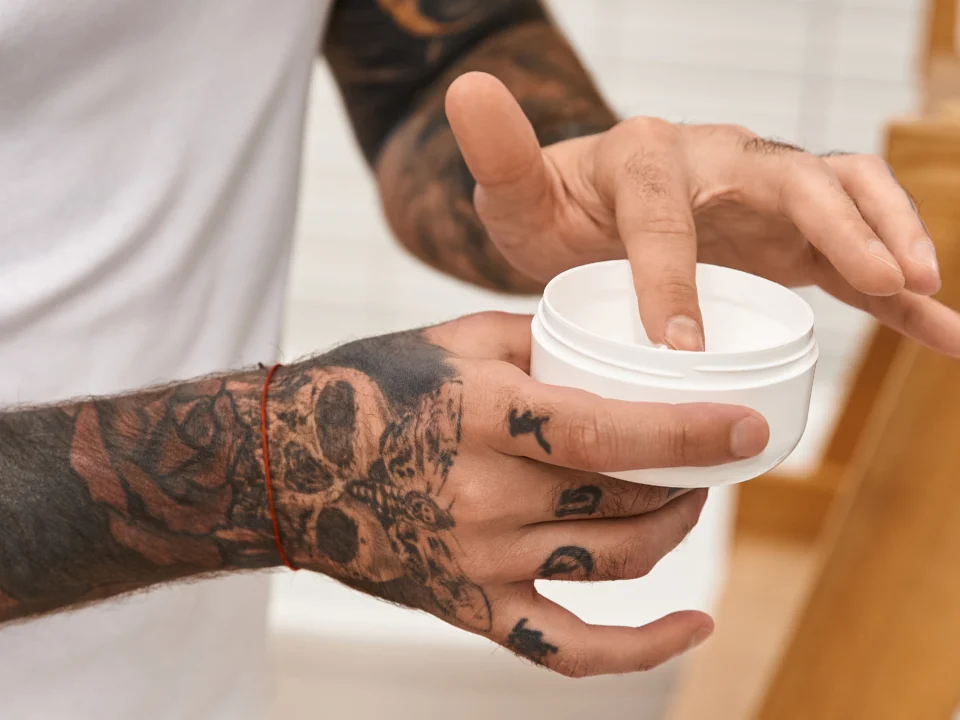
Numbing cream usually works best for reducing sharp, surface-level pain. It may be especially helpful on painful tattoo areas such as the ribs, spine, inner arm, ankle, or elbow.
- It can reduce pain intensity
- It often works best in the first 1 to 3 hours
- It does not remove deep pressure sensations
- Its effect may wear off during long sessions
So, if you are asking does numbing cream work with tattoos, the honest answer is yes—but not perfectly, and not the same for everyone.

How Does Tattoo Numbing Cream Work?
Tattoo numbing creams usually contain local anesthetics that help block pain signals from reaching the brain. After application, the cream penetrates the upper layers of the skin and temporarily lowers sensitivity in the treated area.
Common Ingredients in Tattoo Numbing Creams
- Lidocaine – helps numb the skin surface
- Prilocaine – can enhance the numbing effect
- Benzocaine – provides quicker short-term relief
If you have ever wondered how does numbing cream work, it works by temporarily reducing the skin’s ability to send pain signals during tattooing.
Is Numbing Cream Safe for Tattoos?
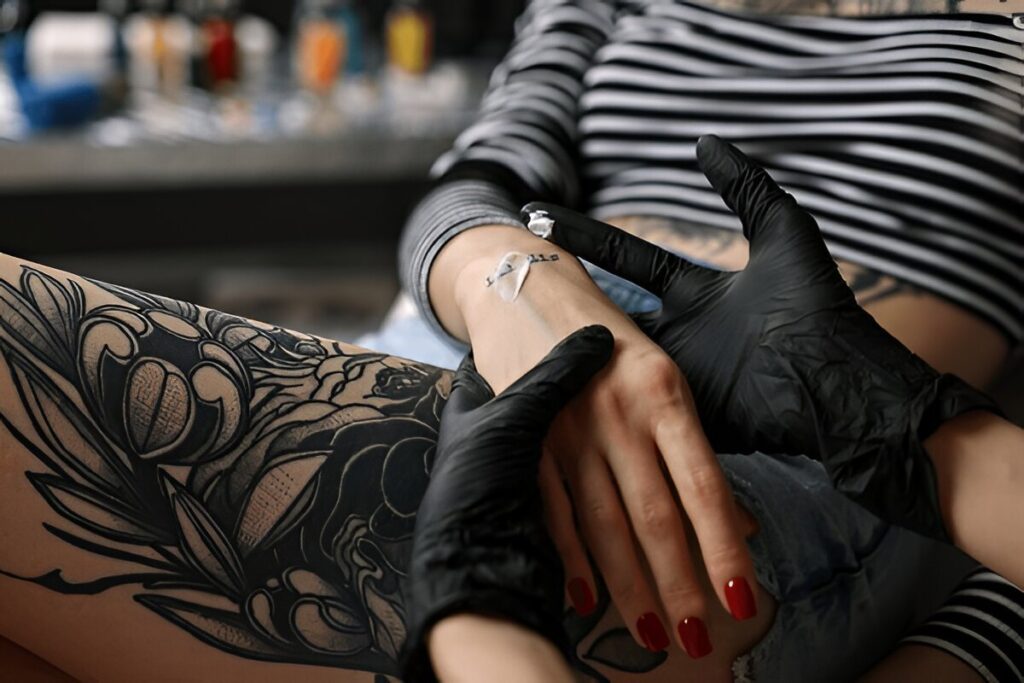
When used properly, tattoo numbing cream is generally considered safe for most people. However, safe use depends on following instructions carefully and checking with your tattoo artist before the appointment.
Possible Side Effects and Risks
- Mild skin irritation
- Redness or swelling
- Temporary skin hardness
- Rare allergic reactions
Overusing numbing cream or applying too much may affect the skin texture and make tattooing more difficult. For that reason, more is not always better.
Does Numbing Cream Affect Tattoo Quality?
This is one of the most common concerns among tattoo artists and clients.
In some cases, numbing cream can:
- Make the skin feel slightly tougher
- Affect line precision
- Impact ink absorption
- Cause extra moisture or mild swelling if overused
That said, when used correctly and in moderation, most professional artists can still achieve clean and high-quality results. This is why communication with your artist matters before using any tattoo numbing product.
How to Use Numbing Cream Before a Tattoo
Proper application is essential if you want the cream to work as intended. A poor application can lead to weak numbing or uneven results.
Step-by-Step Guide
- Clean and dry the skin thoroughly
- Apply a thick, even layer of numbing cream
- Cover the area with plastic wrap
- Leave it on for 30 to 60 minutes
- Remove and clean the skin before tattooing begins
Never reapply numbing cream during a tattoo session unless your artist specifically approves it. If you are searching can you get numbing cream for tattoos, the answer is yes—but you should always choose a product that is suitable for tattoo preparation and follow professional guidance.
When Should You Avoid Using Numbing Cream?
Numbing cream may not be the right choice in every situation.
You may want to avoid using numbing cream if:
- Your tattoo artist advises against it
- You have very sensitive skin
- You have a known allergy to local anesthetics
- You are unsure how the product will react with your skin
- You are getting a long multi-session tattoo and expect the effect to last all day
Always prioritize safety, patch testing when appropriate, and your artist’s advice.
Tattoo Pain Without Numbing Cream vs With Numbing Cream
Without numbing cream:
- Full pain sensation
- More discomfort during long sessions
- Stronger awareness of outlining and shading
With numbing cream:
- Reduced pain at the beginning
- Less sharp surface-level discomfort
- Sensation may return after a few hours
Many people find numbing cream most helpful during outlining, which is often one of the most uncomfortable parts of a tattoo session.
Should You Talk to Your Tattoo Artist First?
Absolutely.
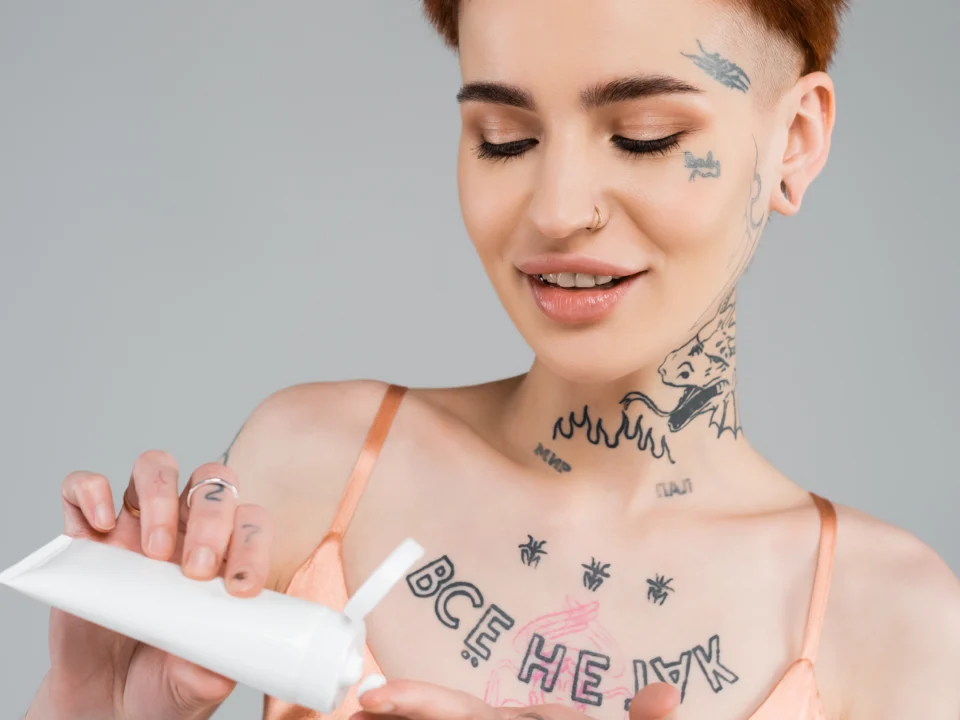
Some tattoo artists prefer not to work with numbing creams, while others are comfortable with them when used properly. Discussing it beforehand helps ensure:
- Better tattoo quality
- Safer application
- A smoother tattoo session
- Clear expectations about pain and performance
Clear communication builds trust and often leads to a better overall tattoo experience.
Final Thoughts: Does Numbing Cream Really Work for Tattoos?
So, does numbing cream work for tattoo pain? Yes—tattoo numbing cream can significantly reduce discomfort, especially for short to medium-length sessions and sensitive tattoo placements.
However, it is not a magic solution. It does not completely stop pain, and results vary depending on the product, the application, and your body. Proper use, realistic expectations, and your tattoo artist’s approval are the keys to the best experience.
If you are planning a larger piece, understanding tattoo pain and preparation can help you make smarter decisions—just like knowing tattoo costs or planning a half sleeve tattoo budget before your session.
Does numbing cream completely stop tattoo pain?
No, numbing cream does not completely stop tattoo pain. It can reduce discomfort significantly, especially during the early part of the tattoo session, but pressure and pain may return as the numbing effect wears off.
How long does tattoo numbing cream last?
Tattoo numbing cream usually lasts between 1 to 3 hours, depending on the product, your skin type, and how it is applied. Covering the area correctly before the session may help improve effectiveness.
Does tattoo numbing cream really work?
Yes, tattoo numbing cream really works for many people, especially when applied correctly 30 to 60 minutes before the session. It helps reduce pain, but it does not remove all sensation.
Can numbing cream affect a tattoo?
Yes, numbing cream can affect a tattoo if it is overused or applied incorrectly. It may change skin texture slightly, cause swelling, or make tattooing harder for some artists.





This article really helped me understand does numbing cream work for tattoo pain relief. The detailed explanation of how tattoo numbing creams affect sensation, application tips, and duration of effectiveness made it much clearer why many people choose to use numbing cream before a tattoo session. Great resource for anyone researching tattoo numbing cream effectiveness and how to manage pain during a tattoo.