
Tattoo Filler Ideas for Patchwork Sleeves: Creative Gap Fillers That Flow
Patchwork sleeves are one of the most expressive tattoo formats available — but without intentional gap management, even the strongest individual pieces can lose their impact. This guide covers the most effective tattoo filler ideas for patchwork sleeves, from subtle dotwork to bold geometric shapes, with practical advice on placement, sizing, and style matching.
Table Of Content
- What Are Patchwork Sleeves and Why Do They Need Fillers?
- The Most Effective Tattoo Filler Ideas for Patchwork Sleeves
- Star Fillers: Versatile, Timeless, and Easy to Scale
- Dotwork and Stipple Shading: Texture Without Distraction
- Smoke and Cloud Fillers: Flow for Larger Gaps
- Floral and Leaf Fillers: Softening Bold Compositions
- Geometric Gap Fillers: Structure and Symmetry
- Lightning and Energy Fillers: Motion for High-Impact Sleeves
- Matching Filler Size to Gap Size
- Small Gap Fillers (Under 3cm)
- Medium Gap Fillers (3–7cm)
- Large Gap Fillers (7cm+)
- How to Choose the Right Patchwork Filler
- Match the Filler to Your Tattoo Style
- Control Dark and Light Balance
- Preserve Intentional Negative Space
- Plan Fillers With Your Artist, Not After
- Trending Patchwork Filler Styles in 2026
- Do Fillers Have to Match the Main Tattoos?
- Completing the Patchwork Story
- What are tattoo fillers used for?
- Do small tattoo fillers make a sleeve look better?
- How do I choose the right gap filler for my sleeve?
- Can fillers be added later after the main tattoos?
- Are fillers necessary in patchwork sleeves?

What Are Patchwork Sleeves and Why Do They Need Fillers?
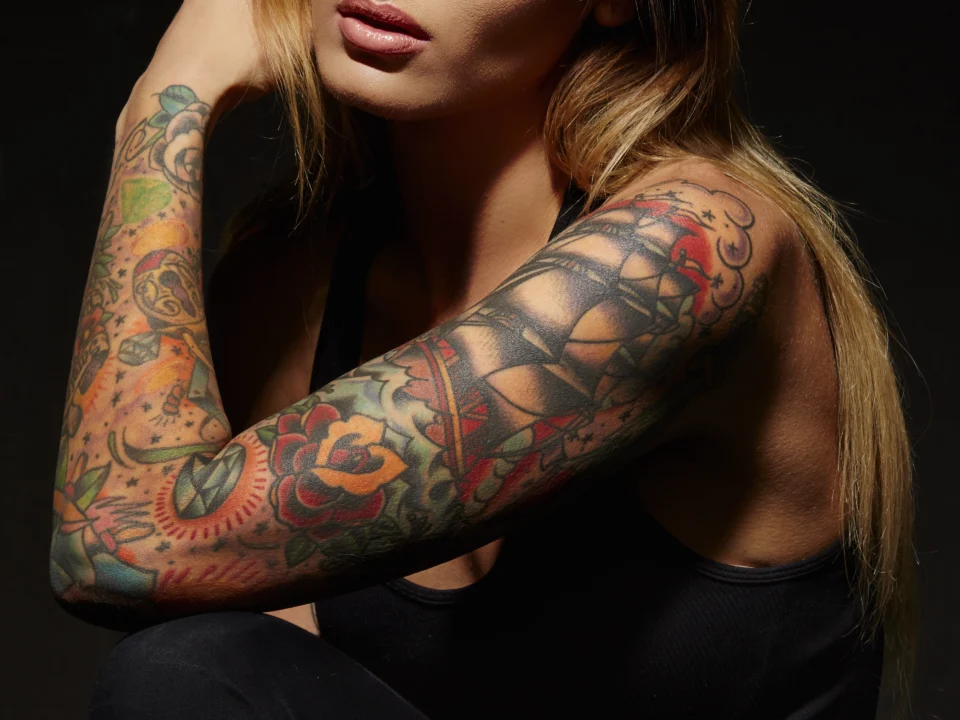
Patchwork tattoos combine multiple standalone pieces across the arm, built over time rather than designed as a single cohesive artwork. This approach offers creative freedom and personal storytelling — but it almost always produces uneven spacing and visual gaps between tattoos.
Filler tattoos solve that problem. They connect separate designs, smooth visual transitions, and create compositional balance without overpowering the main pieces. The right filler transforms a scattered collection of tattoos into a deliberate, unified sleeve.
Fillers serve several specific functions in patchwork composition:
- Eliminate awkward negative space between unrelated tattoos
- Guide the eye naturally across the arm
- Add background depth and layering
- Create visual transitions between contrasting styles
- Strengthen the sleeve’s overall storytelling
Without fillers, patchwork sleeves often feel unfinished. With the right ones, every gap looks intentional.
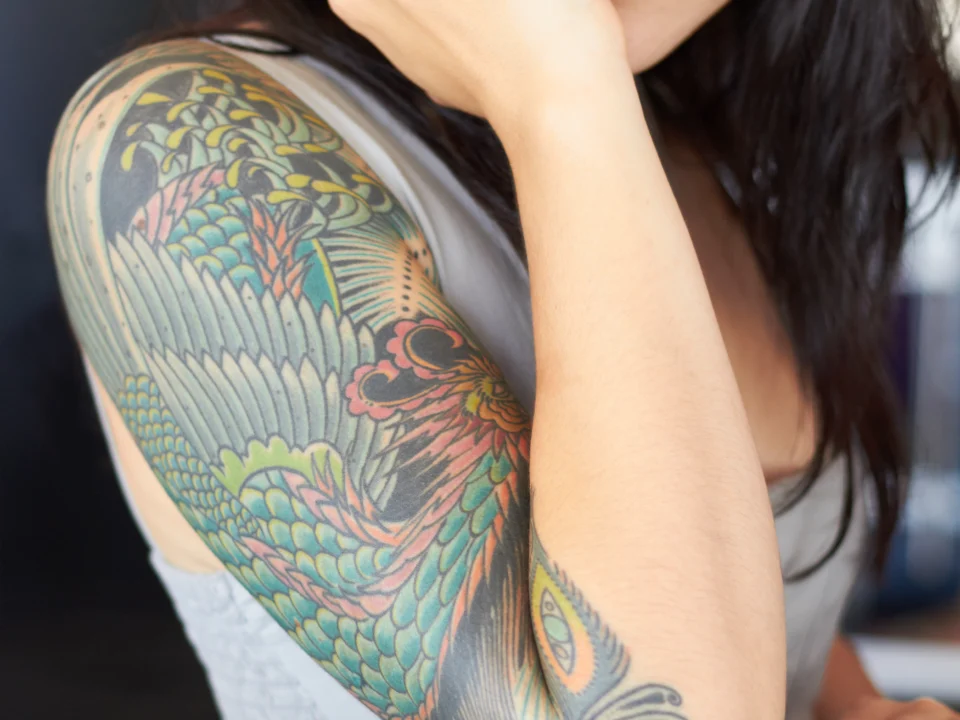
The Most Effective Tattoo Filler Ideas for Patchwork Sleeves
Star Fillers: Versatile, Timeless, and Easy to Scale
Stars are the most requested patchwork filler for good reason. They scale from micro to medium, fit naturally into irregular spaces, and work across virtually every tattoo style — from traditional Americana to fine line minimalism.
Nautical stars, sparkle clusters, and four-pointed geometric stars all carry different visual weight. Scattered arrangements create movement and energy across the sleeve, while tighter groupings anchor a specific section. For tight gaps under 2cm, a single small star or sparkle is often the cleanest solution.
Dotwork and Stipple Shading: Texture Without Distraction
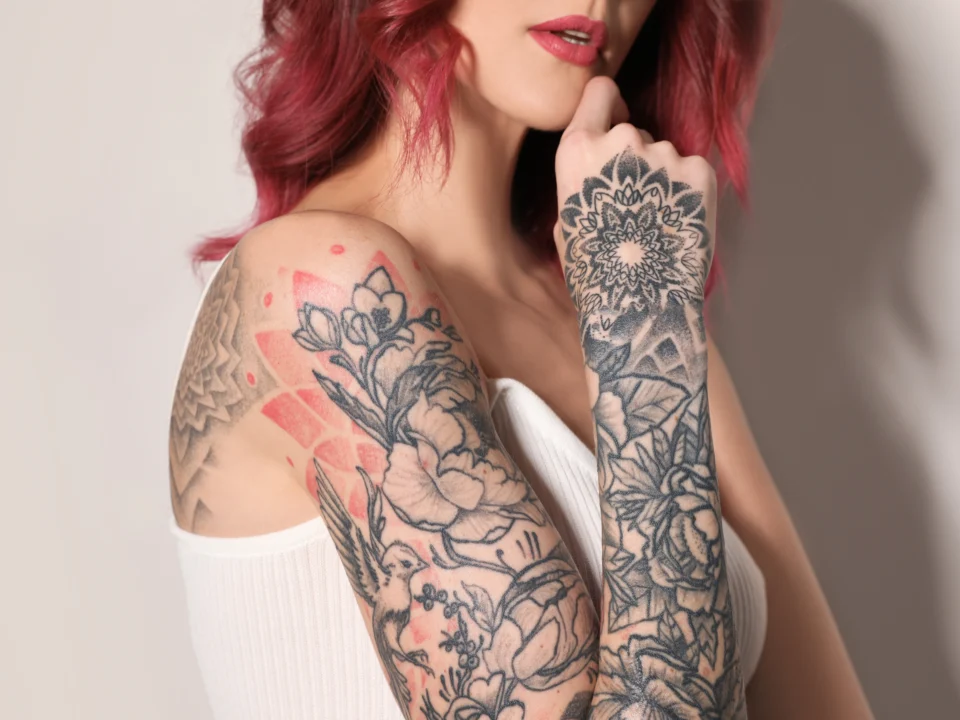
Dotwork is the subtlest filler option available. It adds texture and depth without drawing attention away from the main tattoos — which makes it particularly valuable in densely packed sleeves where visual competition is already high.
Stipple shading is especially effective for fading the edges of bold tattoos into the skin, creating a natural vignette effect. It also pairs exceptionally well with geometric and blackwork designs where precision and restraint are part of the aesthetic.
Smoke and Cloud Fillers: Flow for Larger Gaps
For gaps wider than a few centimeters, smoke and cloud fillers are among the most compositionally effective options. They create directional flow between unrelated tattoos, produce dark-to-light transitions, and add a sense of depth and atmosphere that flat linework cannot replicate.
Japanese sleeves, black and grey realism, and neo-traditional work benefit most from smoke fillers. Traditional Japanese wind bars (fūjin-style linework) are a refined variation that adds cultural consistency to Japanese-themed sleeves.
Floral and Leaf Fillers: Softening Bold Compositions
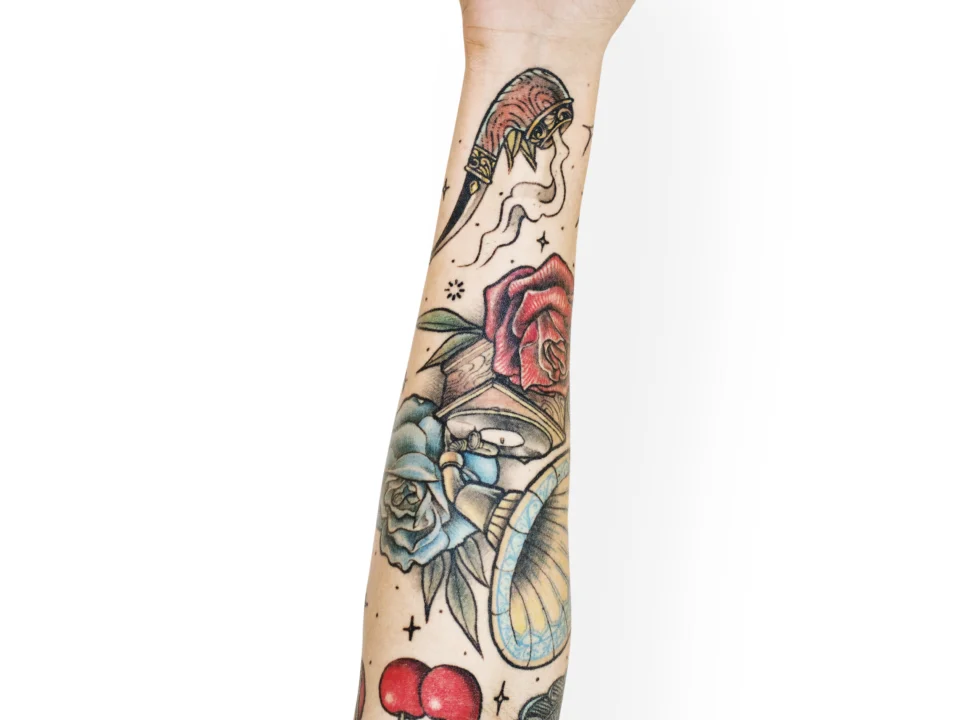
Nature-inspired fillers are among the most compositionally flexible options available. Roses, cherry blossoms, olive branches, peonies, and vines all adapt to gaps of varying sizes and can bridge stylistic differences between neighboring tattoos.
Floral fillers are particularly effective in sleeves that mix masculine and feminine elements, or in neo-traditional work where organic shapes complement the bold outlines and rich shading of the main pieces.

Geometric Gap Fillers: Structure and Symmetry
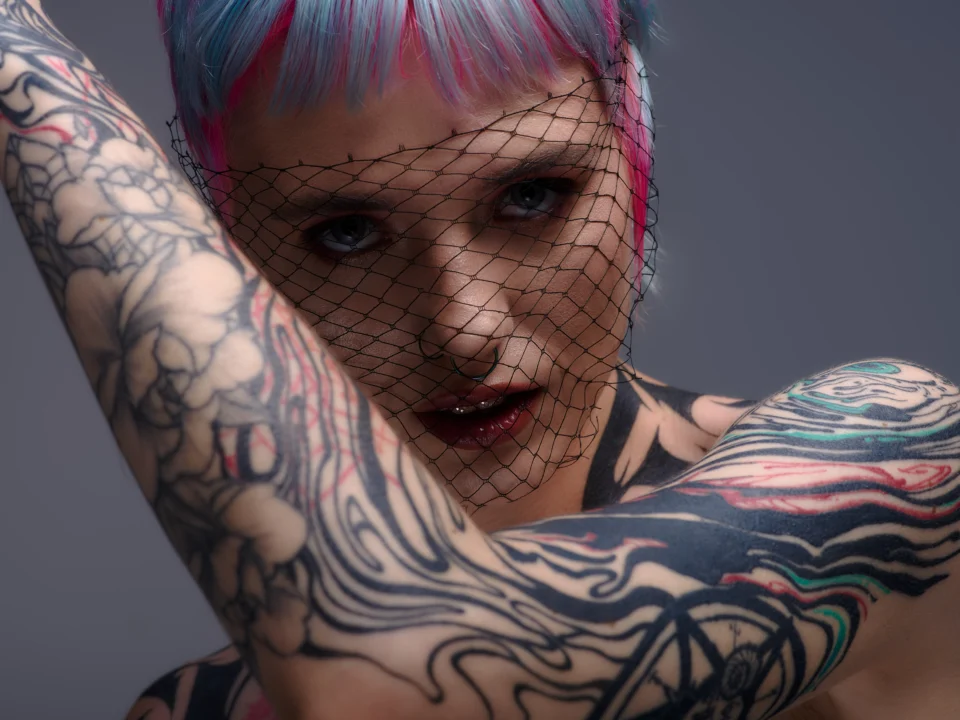
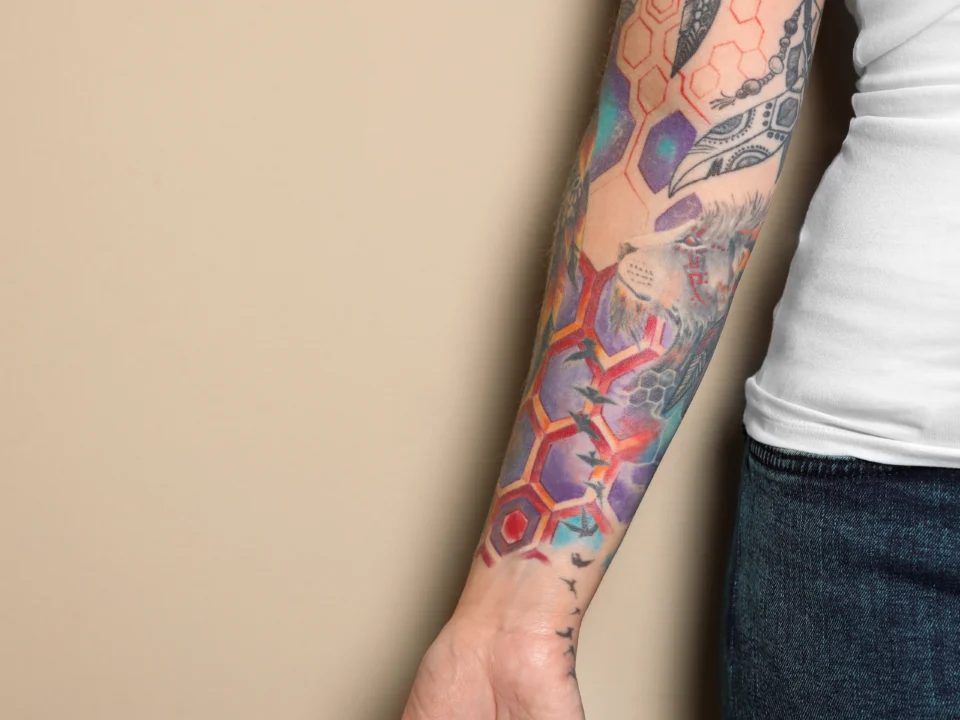
Geometric fillers introduce visual order into sleeves that might otherwise feel chaotic. Sacred geometry fragments, mandala sections, linework grids, and hex patterns all add structural contrast to organic tattoo subjects.
They work best when the sleeve already contains at least one geometric or blackwork tattoo — using them in isolation against heavily organic work can create visual inconsistency.

Lightning and Energy Fillers: Motion for High-Impact Sleeves
Lightning bolts, energy lines, and electric arcs are high-contrast fillers suited to aggressive, dark, or mythology-themed sleeves. They pair naturally with skull tattoos, warrior imagery, dark realism, and supernatural subject matter.
Use them selectively — lightning fillers are visually loud and work best as a purposeful accent rather than a general gap solution.
Matching Filler Size to Gap Size
One of the most common mistakes in patchwork sleeves is mismatching filler scale to gap size. Oversized fillers overpower surrounding tattoos; undersized fillers disappear and leave the gap looking unfilled.
Small Gap Fillers (Under 3cm)
- Tiny stars and sparkles
- Single dots or dot clusters
- Mini crosses or daggers
- Micro symbols (arrows, moons, lightning bolts)
Medium Gap Fillers (3–7cm)
- Leaves and botanical sprigs
- Cloud formations
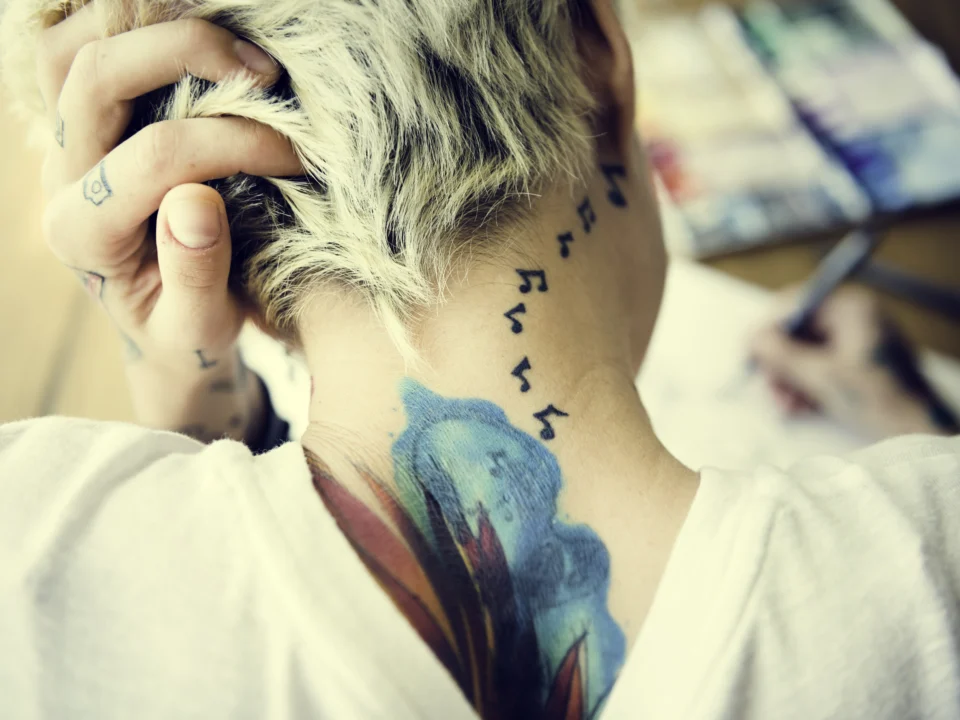
- Script words or short phrases
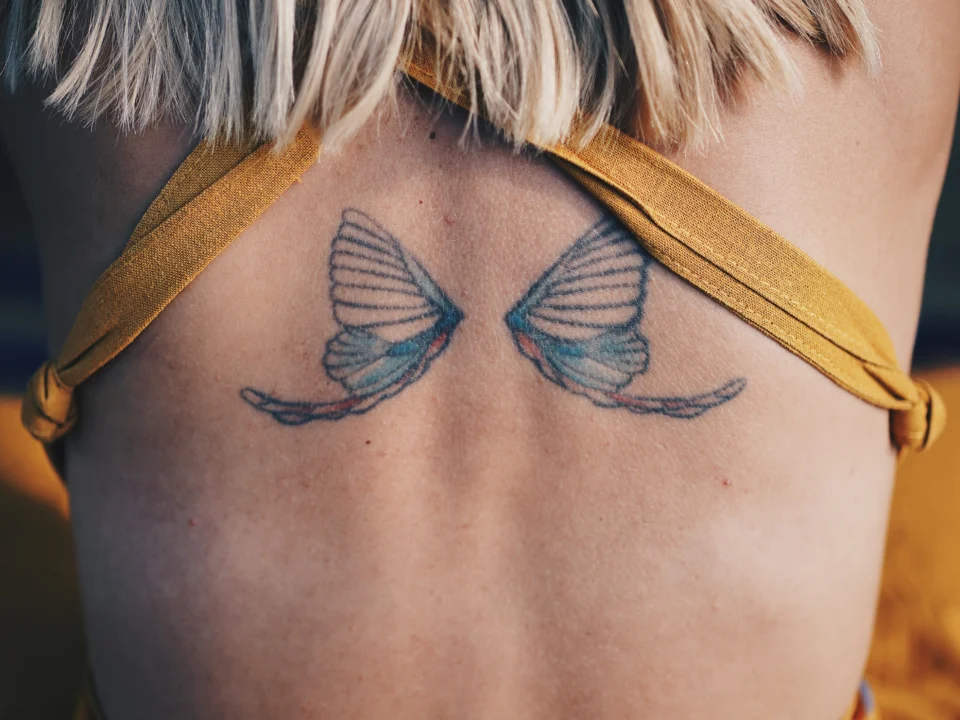
- Butterflies, moths, or dragonflies
- Daggers or swords
Large Gap Fillers (7cm+)
- Smoke and cloud backgrounds
- Floral clusters
- Snakes or serpents
- Wave formations
- Large geometric or mandala shapes
How to Choose the Right Patchwork Filler
Effective filler selection requires more than picking something that fits the space. The filler must serve the sleeve’s overall visual logic.
Match the Filler to Your Tattoo Style
Style consistency is the single most important factor in filler selection. Mismatched styles — even when the subjects are neutral — break the visual coherence of the sleeve.
- Traditional American → Stars, roses, daggers, banners
- Japanese → Wind bars, waves, smoke, chrysanthemums
- Black & Grey Realism → Shadows, textures, clouds
- Geometric / Blackwork → Linework, dot grids, mandala fragments
- Fine Line / Minimalist → Sparkles, micro botanicals, single dots

Control Dark and Light Balance
Heavy black fillers used across the entire sleeve create visual fatigue. A well-balanced patchwork sleeve alternates between darker filled areas and lighter, airier sections. Contrast is what makes individual tattoos readable from a distance.
Preserve Intentional Negative Space
Not every gap needs a filler. Negative space is a compositional tool in its own right. Some of the strongest patchwork sleeves use restraint — filling only the most visually disruptive gaps and leaving others deliberately open. The goal is balance, not coverage.
Plan Fillers With Your Artist, Not After
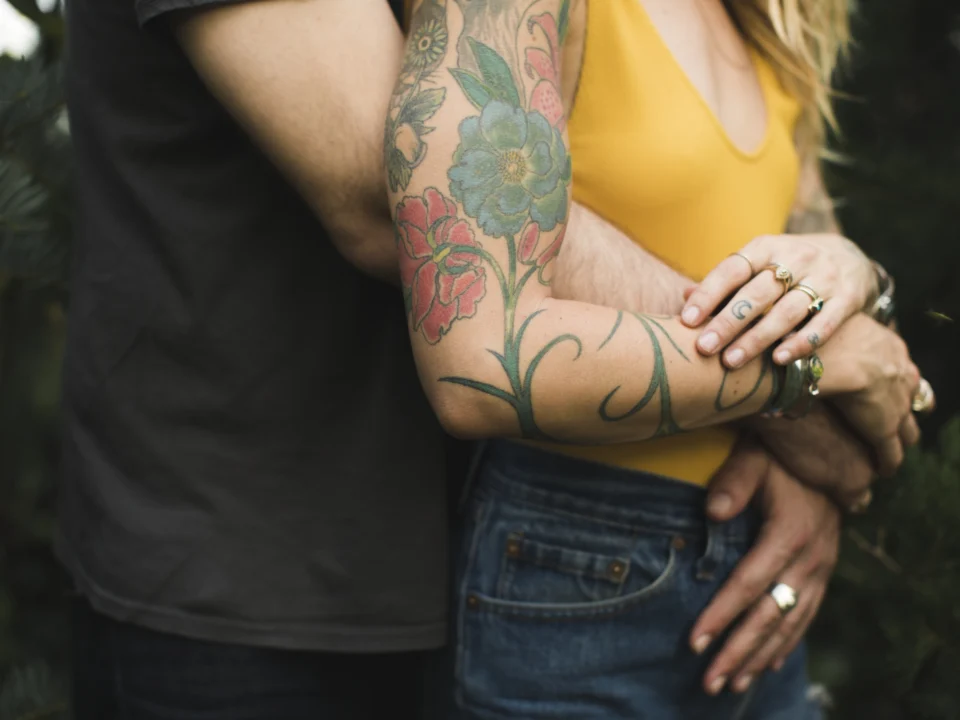
The best approach is to discuss filler strategy with your tattoo artist before adding new pieces, not after. An experienced artist can anticipate how gaps will evolve as the sleeve grows and recommend fillers that will remain effective long-term. Understanding tattoo composition principles helps both artist and client make informed decisions about filler placement.
Trending Patchwork Filler Styles in 2026
Filler aesthetics evolve alongside broader tattoo trends. The most requested styles in 2026 reflect a shift toward texture, detail, and mixed-media influences:
- Micro realism fillers — hyper-detailed small subjects (insects, petals, eyes) that function as accent pieces
- Cyber sigilism — abstract angular linework inspired by digital and occult aesthetics
- Ornamental linework — fine decorative patterns drawn from jewelry and architectural detail
- Abstract brush strokes — loose, expressive ink marks that add painterly movement
- Fine line sparkles — minimalist light effects that work across virtually every sleeve style
Do Fillers Have to Match the Main Tattoos?
Not strictly — but cohesion must be maintained. Patchwork sleeves inherently embrace stylistic diversity, and fillers can bridge different aesthetics if executed with consistency in three key areas: line weight, shading style, and visual scale.
A filler with heavy black lines placed next to a delicate fine-line tattoo will create visual tension rather than harmony. When mixing filler styles, the transitions between them need to be as considered as the fillers themselves.
Completing the Patchwork Story
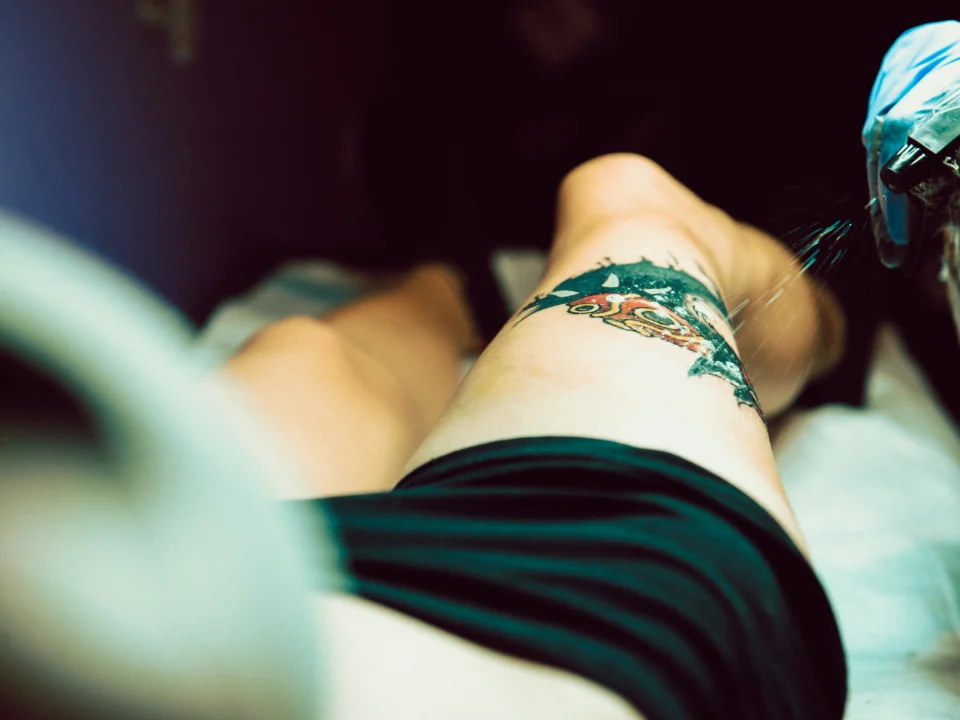
Patchwork sleeves are built over years. Each tattoo adds a chapter — a memory, a milestone, an aesthetic preference at a particular moment in time. The challenge is that these chapters don’t always connect naturally, and the spaces between them can undermine the sleeve’s overall impact.
Fillers are what bind the narrative together. They don’t need to be the most detailed or complex tattoos on the arm — they need to be the right ones, placed with intention. A subtle scatter of stars, a flowing smoke background, or a carefully positioned botanical sprig can unify a sleeve more effectively than another large centerpiece.
The strongest patchwork sleeves aren’t the ones with the most tattoos. They’re the ones where every element — including the gaps — was treated as a deliberate compositional decision.
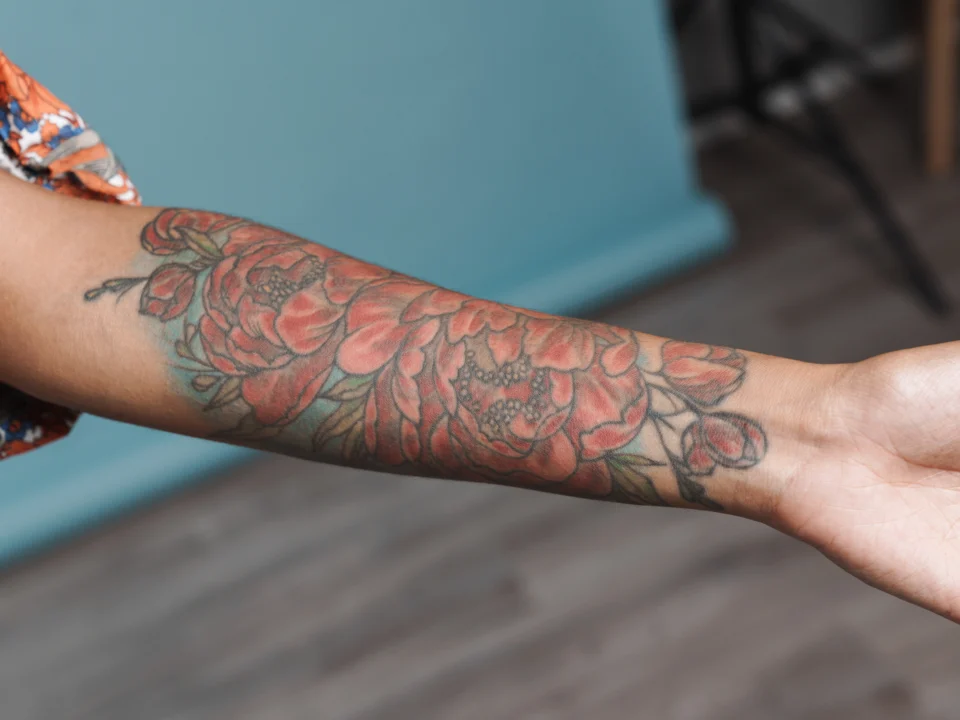
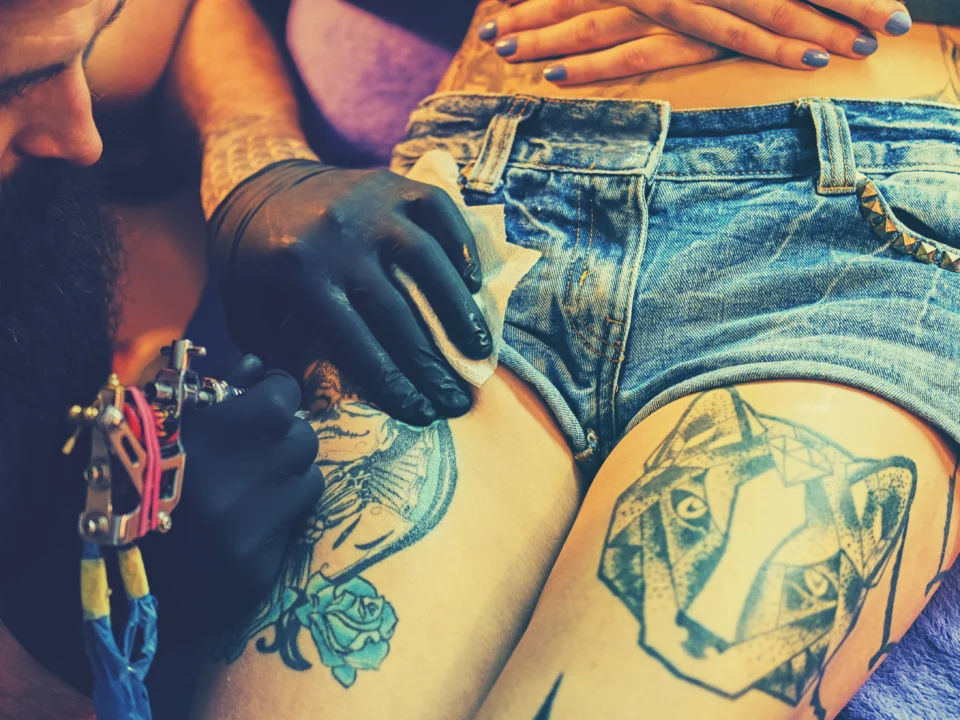
Tattoos don’t become sleeves overnight — they evolve. Filler designs are what transform separate tattoos into one cohesive story, bridging gaps with flow, depth, and intention.
Ready to complete your sleeve? Browse the full collection of tattoo filler ideas
Tattoo filler ideas for small gaps
Tattoo filler ideas for sleeve
What are tattoo fillers used for?
Tattoo fillers are used to connect separate tattoo designs, smooth transitions, and eliminate awkward empty spaces between pieces. They help patchwork sleeves look cohesive rather than scattered. Popular options include dotwork, stars, smoke, geometric patterns, and micro-traditional motifs.
Do small tattoo fillers make a sleeve look better?
Yes — when selected and placed with intention. Small fillers like sparkles, dots, or fine line shapes improve flow without competing with main tattoos. Smoke and cloud fillers are especially effective for soft, wide transitions across larger gaps.
How do I choose the right gap filler for my sleeve?
Match your filler style to your main tattoo theme. Traditional sleeves suit stars, daggers, and roses. Japanese sleeves benefit from wind bars, waves, and smoke. Geometric tattoos pair with mandalas and dot grids. Realism sleeves work best with shadows and cloud textures. Consistent line weight and shading style across all fillers is the key to visual balance.
Can fillers be added later after the main tattoos?
Yes — and most experienced artists recommend this approach. Completing the main pieces first gives a clearer picture of where gaps exist and what filler size and style will work best within the sleeve’s composition.
Are fillers necessary in patchwork sleeves?
Not always. Negative space is a legitimate compositional tool. Some collectors deliberately preserve open skin between tattoos. The decision depends on whether the sleeve benefits more from cohesion and flow, or from visual separation between individual pieces



I’ve been building a patchwork sleeve over the last year and finding the right fillers has honestly been the hardest part. This guide on tattoo filler ideas for patchwork sleeves helped me see how small elements can connect everything without losing that patchwork style. Really useful inspiration.