Tattoo Stencil Designs: 120 Creative, Printable & Simple Ideas for Artists
Tattoo stencil designs are the foundation of almost every successful tattoo. Before the machine touches the skin, artists use a stencil to plan placement, confirm proportions, and establish clean linework across the entire composition. This guide covers the most effective tattoo stencil design categories — from printable stencils and traditional flash to geometric patterns, floral outlines, skull designs, and sleeve-ready compositions — with practical guidance on what makes a stencil work well on skin.
Table Of Content
- What Are Tattoo Stencil Designs?
- What Makes a Good Tattoo Stencil Design?
- Why Tattoo Artists Use Stencils
- Tattoo Stencil Designs by Style
- 1. Printable Tattoo Stencil Designs
- 2. Simple Tattoo Stencil Ideas
- 3. Traditional Tattoo Stencil Flash
- 4. Minimalist Tattoo Stencil Designs
- 5. Geometric Tattoo Stencil Designs
- 6. Flower Tattoo Stencil Designs
- 7. Skull Tattoo Stencil Designs
- 8. Blackwork and Outline Tattoo Stencils
- Tattoo Flash vs. Tattoo Stencil: Key Differences
- How to Create a Tattoo Stencil Design
- Tattoo Stencil Ideas for Sleeve Compositions
- How to Choose the Right Tattoo Stencil Design
- Common Tattoo Stencil Mistakes to Avoid
- About the Author
- What is a tattoo stencil design?
- What is the difference between tattoo flash and a tattoo stencil?
- What paper is used for tattoo stencils?
- Can I print tattoo stencil designs at home?
- Are simple tattoo stencil designs better for beginners?
- Do professional tattoo artists always use stencils?
What Are Tattoo Stencil Designs?
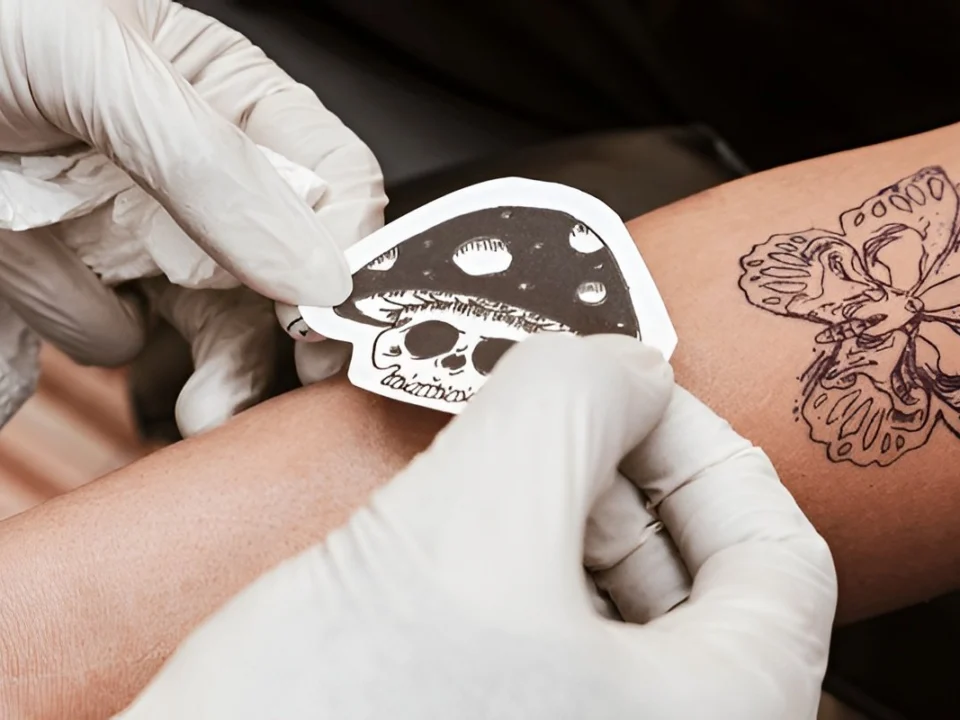
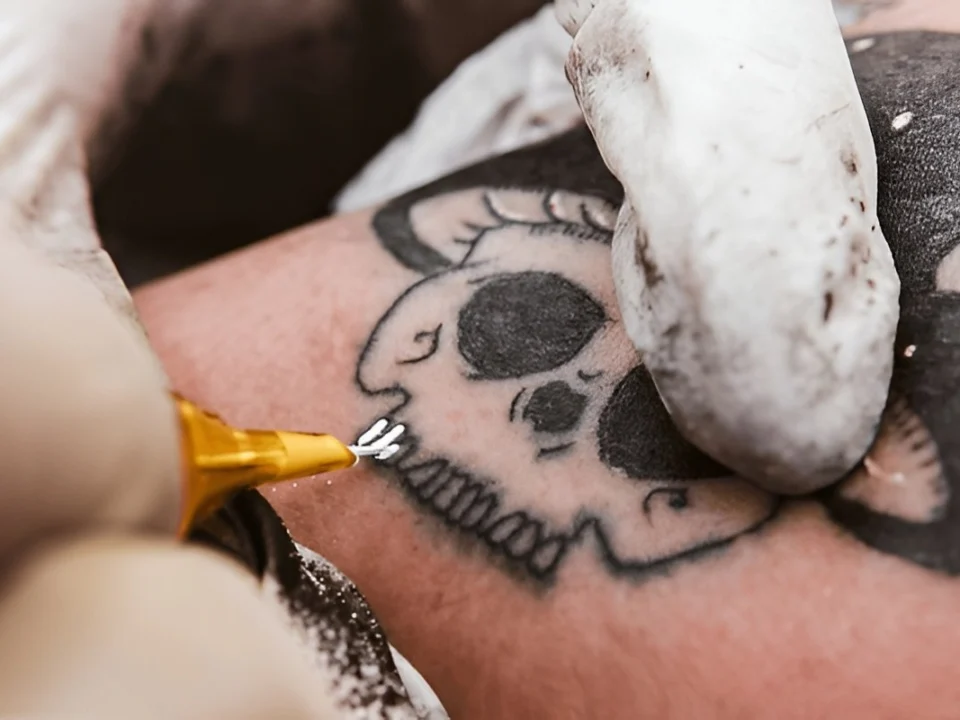
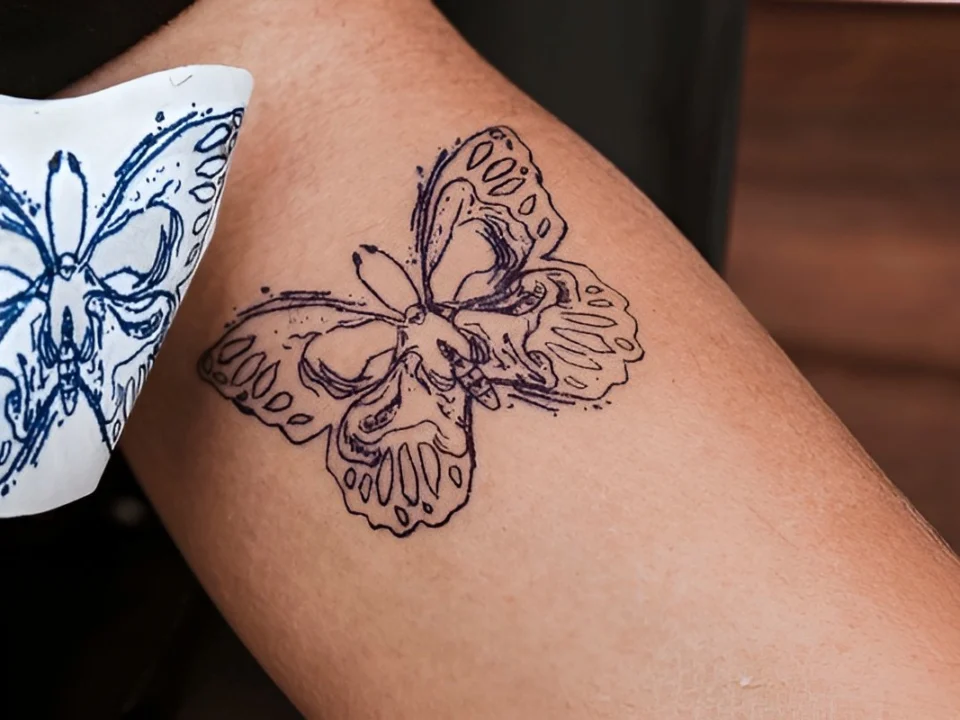
A tattoo stencil design is a temporary outline transferred onto the skin before tattooing begins. It functions as a blueprint — giving the artist a precise guide for line placement, design proportions, and compositional balance before any permanent ink is applied. Stencils are particularly critical for symmetrical designs, large-scale compositions, and multi-element sleeves where accurate positioning across curved body surfaces is essential.
Most professional tattoo stencils are created digitally or hand-drawn, then transferred to skin using thermal stencil paper or transfer paper. The stencil allows the artist and client to preview placement before committing, and to make adjustments — to size, angle, or position — before the session begins. As Britannica’s overview of stenciling as an art technique documents, the stencil process has been used across art forms for centuries precisely because it enables precision and reproducibility that freehand work cannot guarantee.
- Improves placement accuracy — positions the design correctly relative to the body’s contours before tattooing begins
- Enables clean linework — gives the artist a consistent guide to follow rather than estimating proportions freehand
- Allows compositional adjustment — size, angle, and position can all be corrected before any ink is applied
- Supports client approval — the client can see and approve exact placement before the session proceeds
- Reduces errors in complex work — essential for geometric symmetry, multi-element sleeves, and detailed linework tattoos
What Makes a Good Tattoo Stencil Design?
A technically strong tattoo stencil prioritizes clarity and skin readability over visual complexity. Even the most creative tattoo concept produces poor results if the stencil is overcrowded, inconsistently sized, or poorly adapted to the placement area. Professional artists evaluate stencils for practical workability before aesthetic appeal.
- Clean, readable linework — lines must remain visible and followable as the skin moves during tattooing
- Balanced proportions — the design should flow naturally with the body’s shape, not fight against it
- Correct sizing for placement — a design that looks strong at A4 size may need significant adjustment for a 5cm forearm gap
- Adequate negative space — overcrowded stencils produce tattoos that blur and lose definition as they age
- Style-appropriate structure — traditional stencils need bold outlines; fine line stencils need precise, thin lines; geometric stencils require mathematical accuracy
Why Tattoo Artists Use Stencils
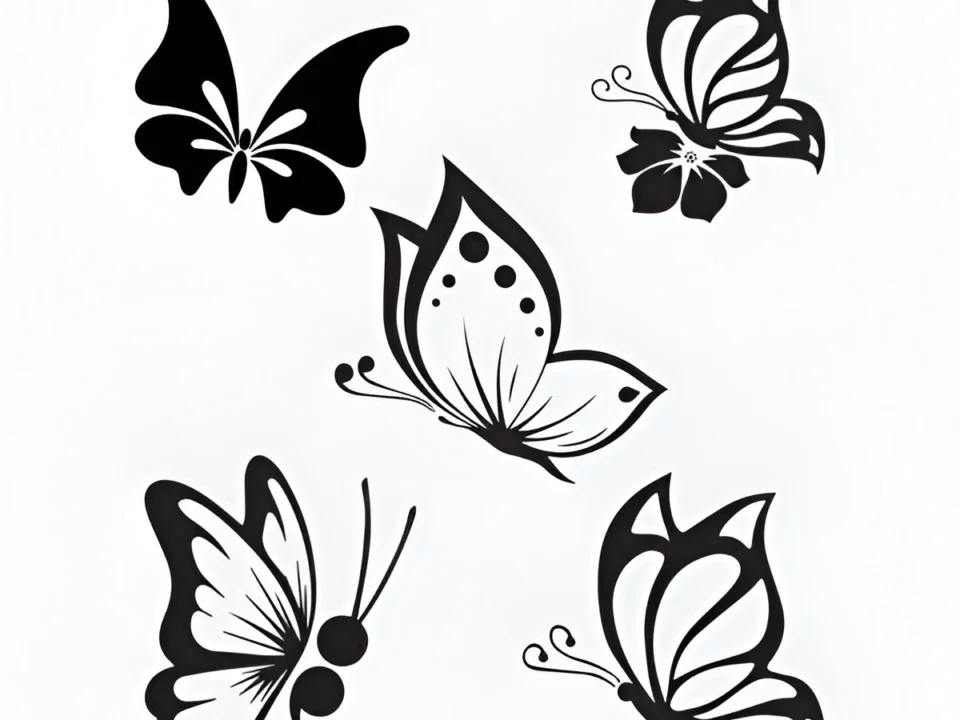
Most professional tattoo artists use stencils as standard practice — not as a shortcut, but as the most reliable method for achieving placement precision, compositional accuracy, and consistent results across complex designs. Freehand tattooing is a separate and valid technique, but stencils remain the industry standard for detailed, symmetrical, and large-scale work.
For sleeve compositions in particular — where multiple tattoo elements must connect across 25–40cm of curved arm surface — stencil planning determines whether the final composition reads as unified or scattered. Artists working on tattoo stencils for men with sleeve or chest compositions typically invest significant preparation time in stencil layout before any ink is applied.
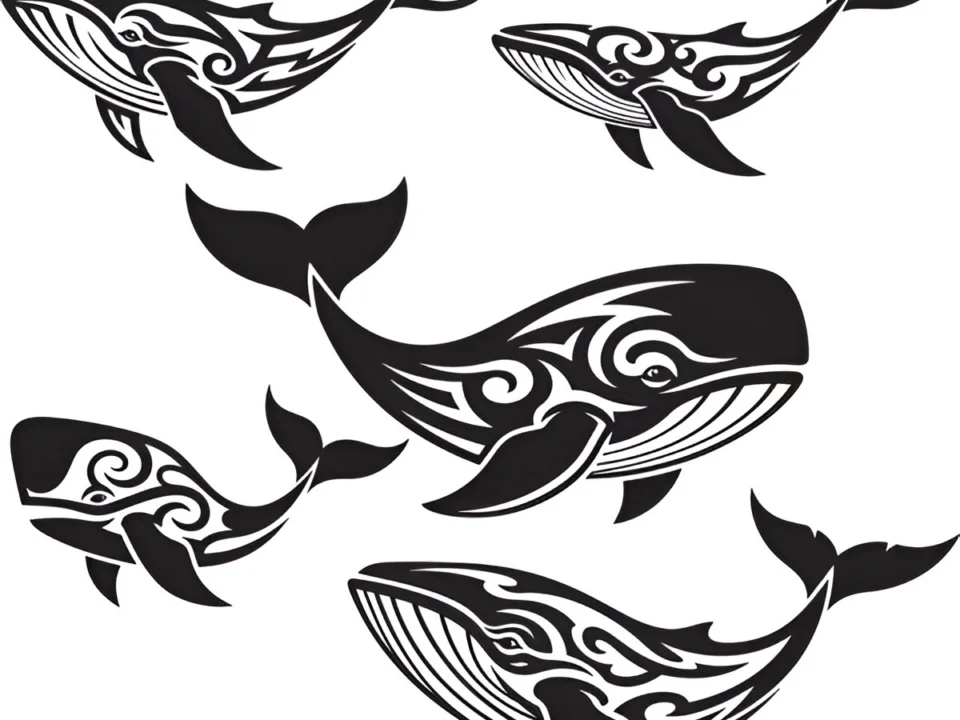
A well-made tattoo stencil is the blueprint of the final tattoo. It gives the artist a clean guide for placement, proportion, and precision — before a single drop of ink is permanent.
Tattoo Stencil Designs by Style
1. Printable Tattoo Stencil Designs
Printable tattoo stencil designs are digitally prepared references that artists print onto transfer paper before a session. They are particularly useful for testing size and placement options before committing to a specific layout, and for sharing designs with clients for approval ahead of the appointment.
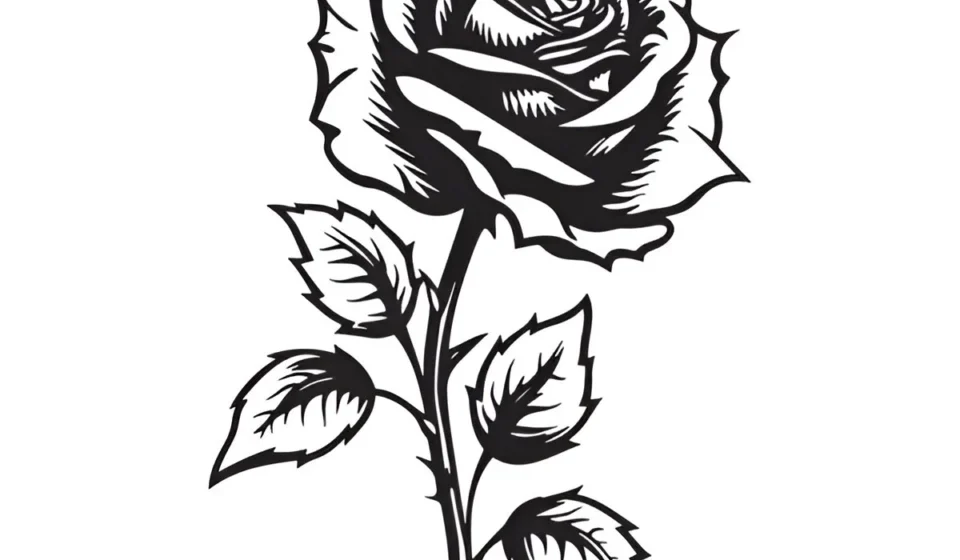
Printable stencil formats work best for clean, outline-focused designs — roses, simple symbols, flash-inspired motifs, botanical stems, and sleeve filler elements. Complex shading and tonal gradation cannot be captured in a transfer stencil; these elements are added freehand by the artist during the tattoo session itself.
2. Simple Tattoo Stencil Ideas
Simple tattoo stencil designs are the most beginner-friendly and the most adaptable for small placements. Their clean structure — minimal line count, clear outlines, adequate negative space — makes them easier to transfer accurately, easier to position on the body, and more likely to age well over time.
Effective simple stencil categories include single stars and sparkles, moon outlines, small hearts, basic botanical stems, minimal animal silhouettes, arrows, and single geometric shapes. These designs are also among the most useful for gap filling in sleeve compositions, where a small, clean stencil needs to fit an irregular negative space without disrupting surrounding tattoos.
3. Traditional Tattoo Stencil Flash
Traditional tattoo flash stencils are inspired by classic American tattoo imagery — bold outlines, strong silhouettes, and timeless motifs that have defined Western tattooing for over a century. These designs translate exceptionally well to stencil format because their structure prioritizes clarity and outline weight over fine detail or tonal complexity.
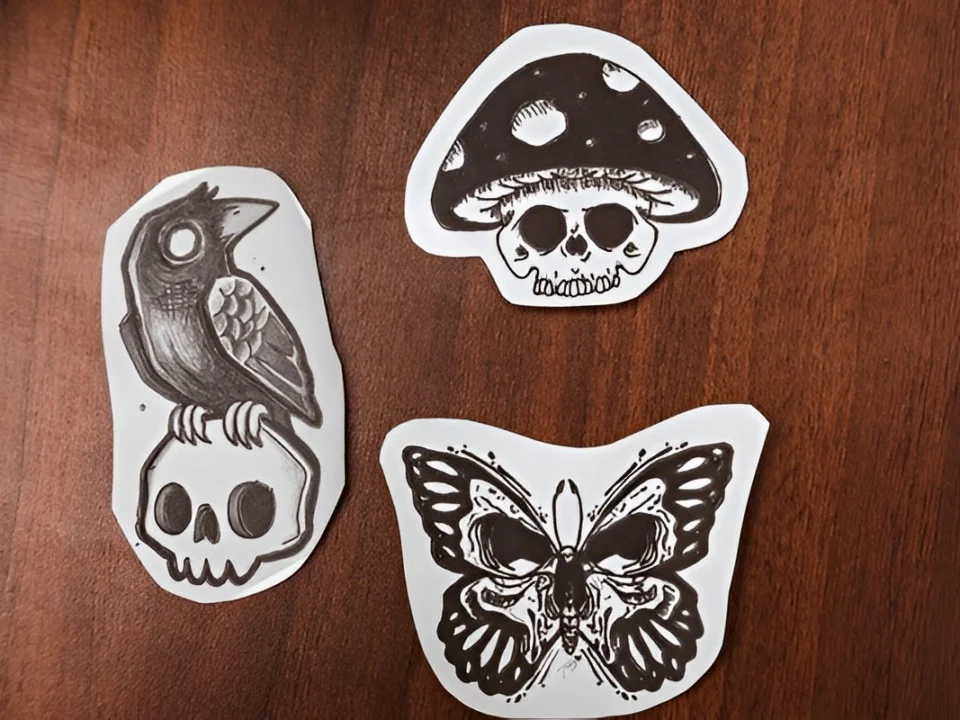
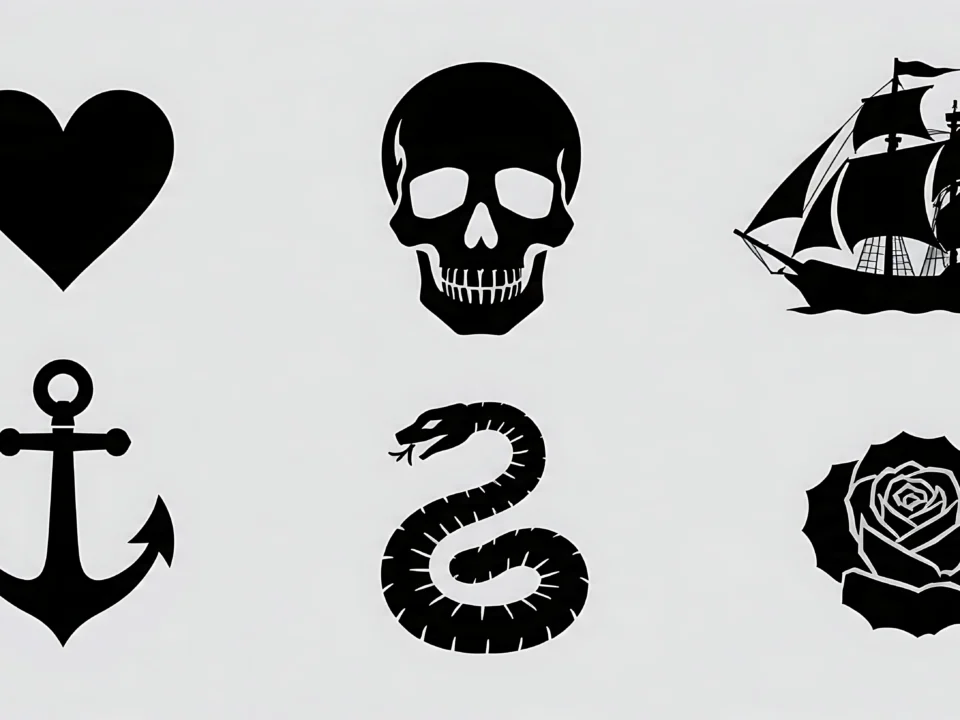
Core traditional flash stencil subjects include anchors, daggers, swallows, roses, classic skulls, banners, horseshoes, and hearts. Flash stencil sheets — collections of multiple designs on a single printed page — have been a studio staple since the early 20th century, allowing clients to select and adapt existing designs rather than commissioning entirely custom work.
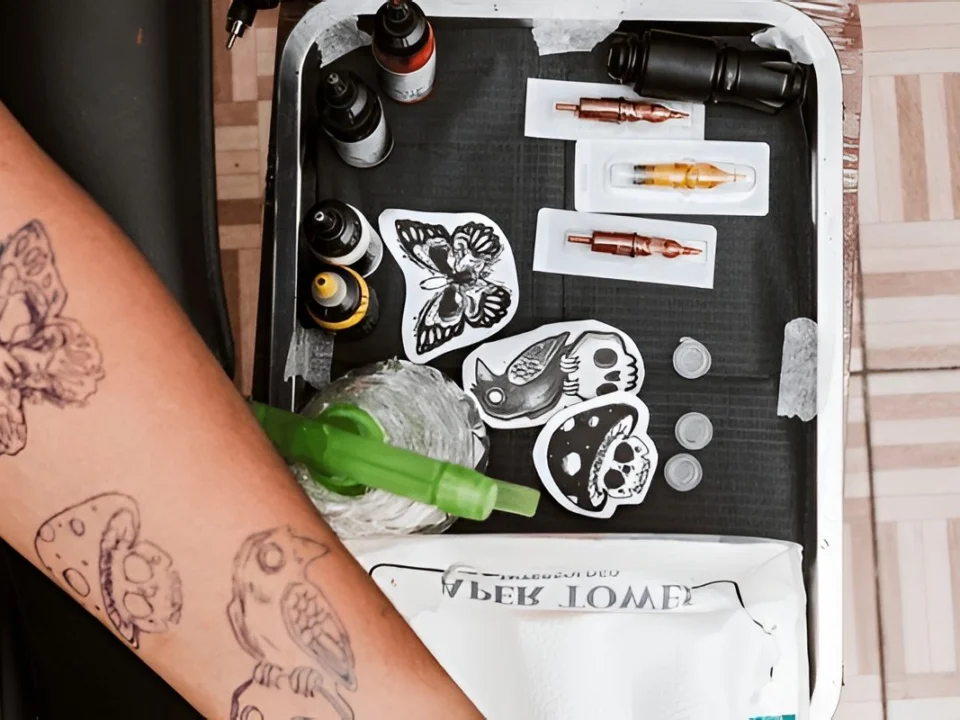
4. Minimalist Tattoo Stencil Designs
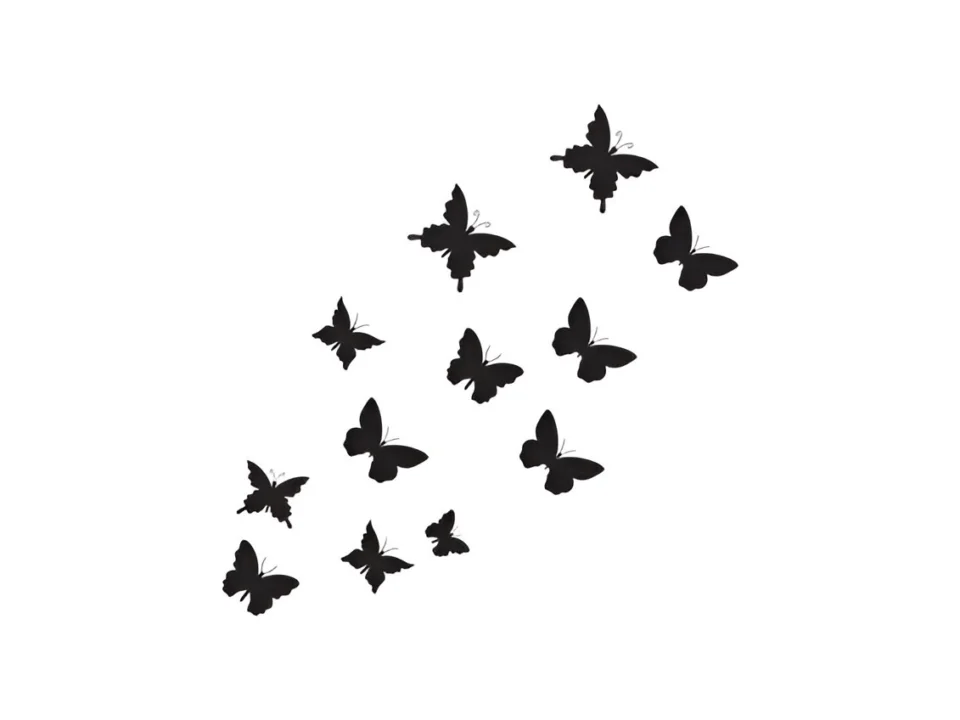
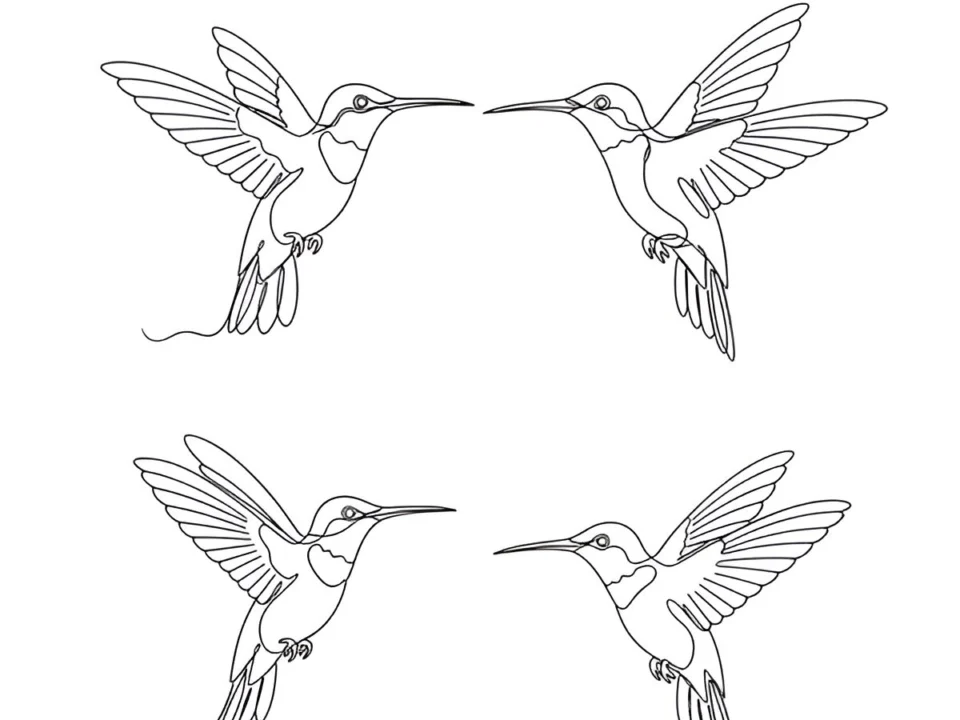
Minimalist tattoo stencils use fine linework, reduced visual weight, and deliberate negative space to create designs that feel intentional without being visually demanding. These stencils are popular for wrist, finger, behind-the-ear, and inner forearm placements — areas where the small available canvas rewards restraint over complexity.
The technical challenge with minimalist stencil work is line weight consistency — a slightly uneven fine line in a minimalist design is immediately visible in a way it would not be in a complex traditional piece. Stencil preparation for minimalist work requires clean digital drafting or precise hand-tracing to ensure transfer quality matches the design’s precision requirements.
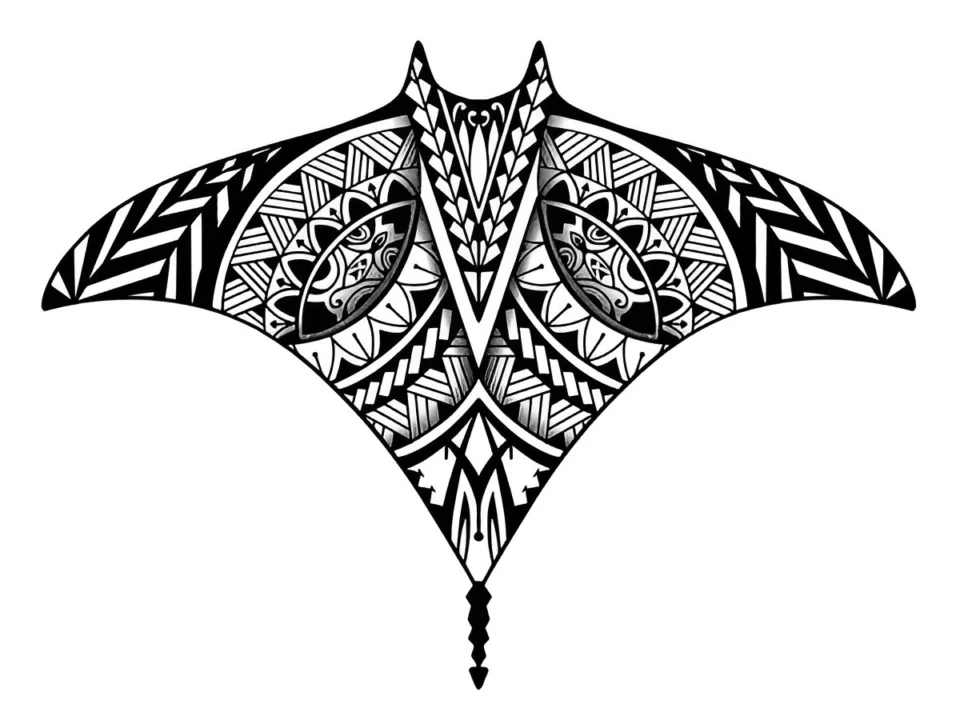
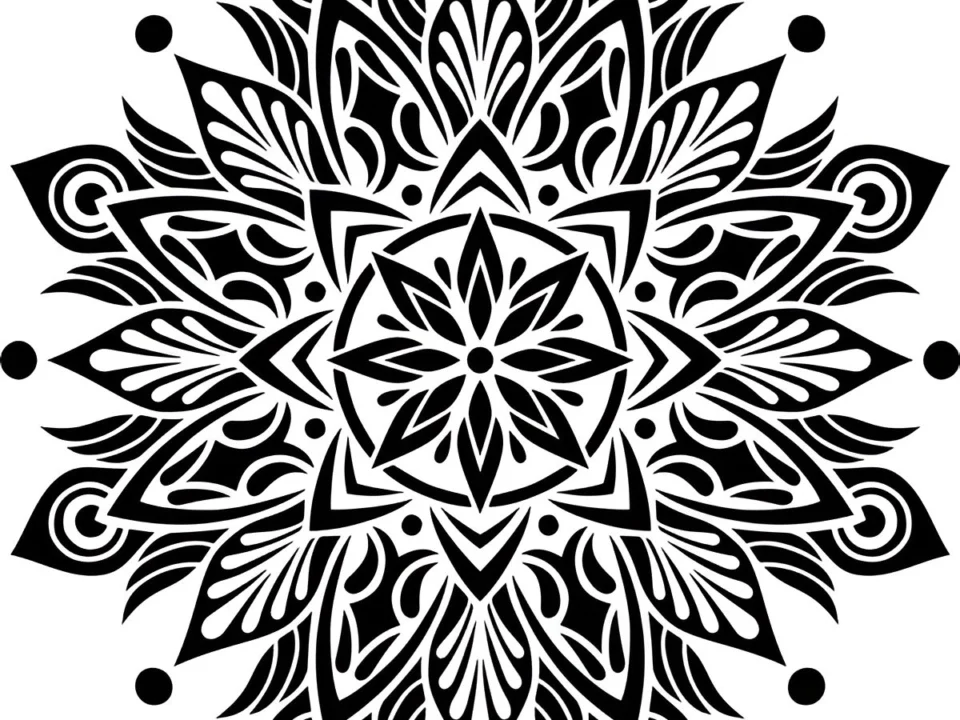
5. Geometric Tattoo Stencil Designs
Geometric tattoo stencils are among the most technically demanding to prepare correctly. The mathematical precision that defines geometric work — consistent angles, perfect symmetry, equal proportions — must be established in the stencil before it reaches the skin. Any deviation in the stencil translates directly to a visible flaw in the finished tattoo.
Mandala stencils, sacred geometry compositions, triangle and hexagon patterns, and dotwork circle layouts all fall within this category. Digital preparation is strongly recommended for geometric stencil work — vector-based design software allows the precision these patterns require in a way that hand-tracing cannot reliably achieve.
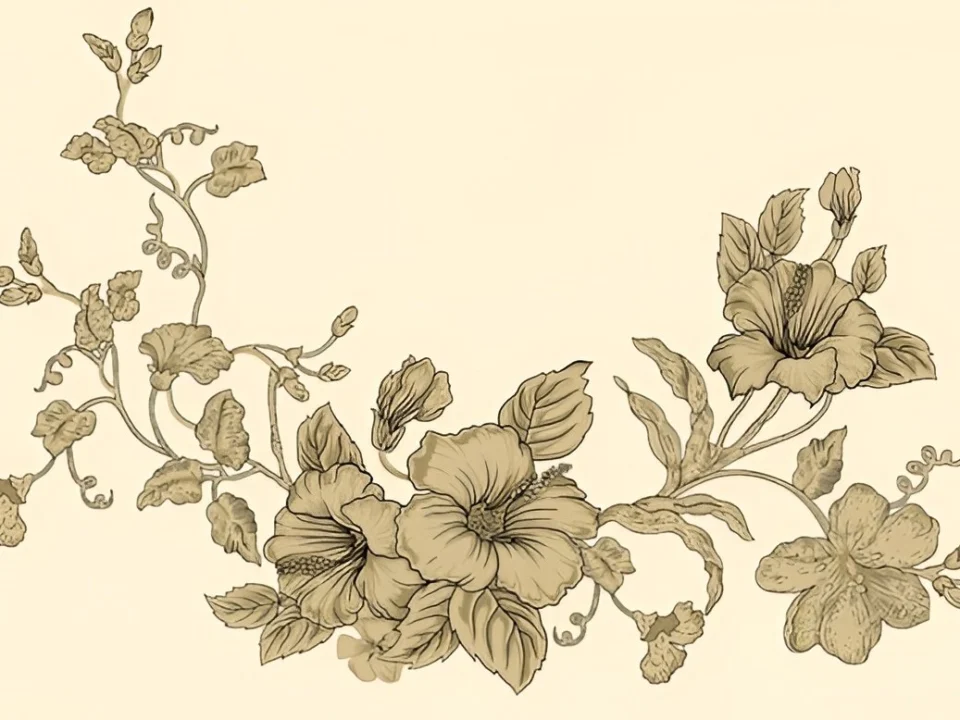
6. Flower Tattoo Stencil Designs
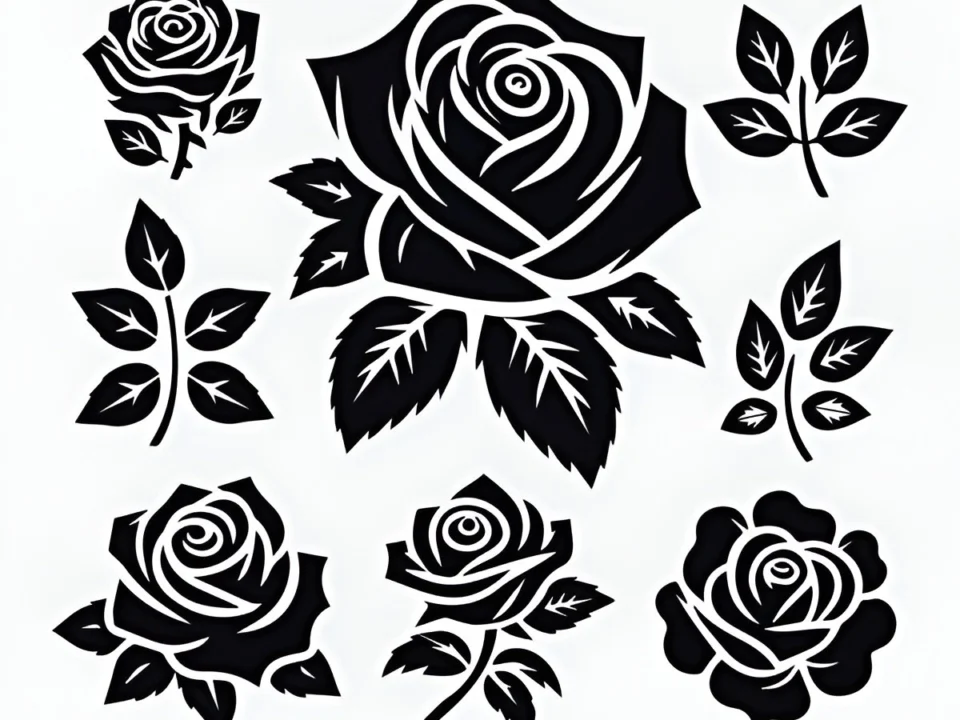
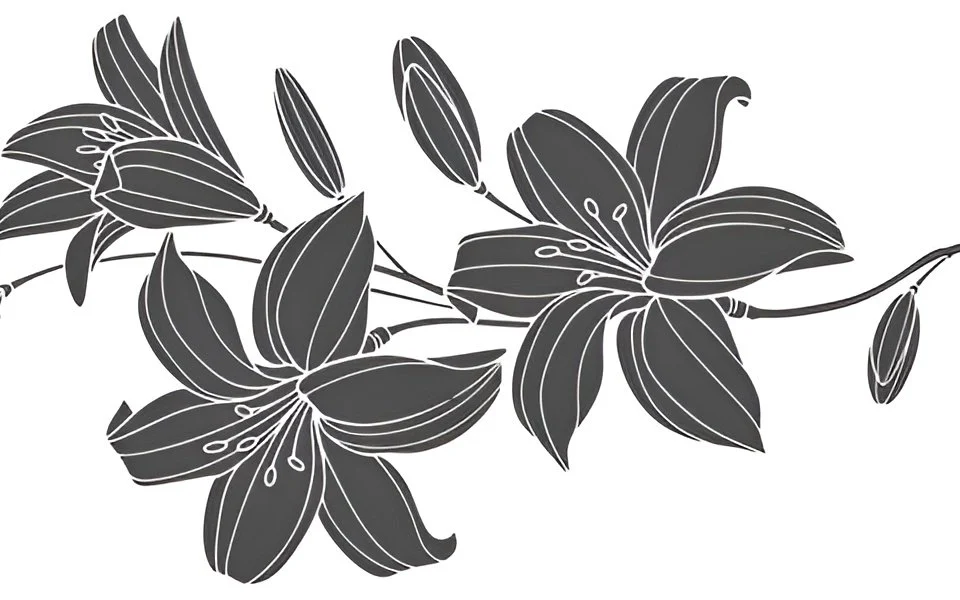
Floral tattoo stencils are the most compositionally versatile category available. Roses, lotus flowers, peonies, cherry blossoms, and sunflowers all adapt to stencil format across a wide range of sizes and styles — from bold traditional outlines to delicate fine line botanical work.
Floral stencils are particularly effective for sleeve filler zones where organic shapes are needed to soften the transition between bolder, more structured tattoo subjects. A rose stencil placed between two geometric pieces provides visual relief without introducing a new stylistic vocabulary into the composition.
7. Skull Tattoo Stencil Designs
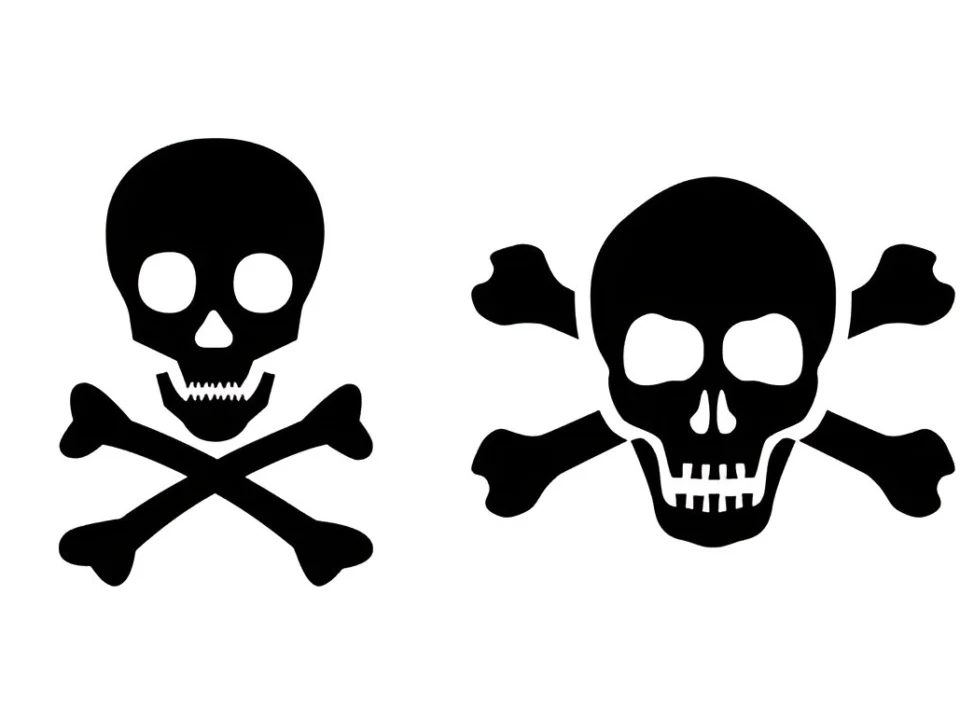
Skull tattoo stencils function effectively as both primary focal points and strong filler elements within larger sleeve compositions. Their bold silhouette and strong outline structure make them among the most transfer-friendly subjects — the skull’s recognizable form reads clearly even at reduced scale, and its versatility across traditional, neo-traditional, blackwork, and illustrative styles makes it one of the most adaptable stencil subjects available.
8. Blackwork and Outline Tattoo Stencils
Blackwork stencils and heavy outline designs depend entirely on the quality of their structural preparation. Because blackwork tattoos use solid fills, bold outlines, and high-contrast negative space rather than tonal shading, the stencil outline must be precise — the artist will be tattooing directly to the stencil line in many cases, with little room for adjustment during the session.

Tattoo Flash vs. Tattoo Stencil: Key Differences
These two terms are frequently confused, but they refer to different stages of the tattoo design process. Tattoo flash is finished artwork — a complete reference design that an artist or client selects from. A tattoo stencil is the transfer-ready outline that goes onto the skin before tattooing begins. Flash becomes a stencil when the artist prepares it for skin transfer, simplifying it to its essential outline structure and sizing it appropriately for the chosen placement.
How to Create a Tattoo Stencil Design
The stencil preparation process follows a consistent workflow across most professional studios, with some variation based on whether the design is created digitally or by hand.
- Create or source the design — digitally using vector software, or hand-drawn on tracing paper
- Refine the outline — remove unnecessary detail, ensure line weights are appropriate for the style, and confirm the design reads clearly at the intended tattoo size
- Size the design for the placement area — a design that looks balanced on screen may need significant resizing for the specific body area
- Print using thermal stencil paper or a thermal stencil printer — thermal transfer produces the cleanest, most consistent stencil lines
- Prepare the skin — clean the area thoroughly and apply stencil solution or gel to ensure adhesion
- Transfer and check alignment — press the stencil firmly onto the prepared skin, allow it to set, and review placement with the client before proceeding
- Make adjustments before tattooing — reposition if needed; this is the last opportunity to correct placement or sizing before the session begins
Tattoo Stencil Ideas for Sleeve Compositions
Sleeve tattoos require more stencil planning than standalone pieces. A well-prepared sleeve stencil maps not only the focal point designs but also the filler zones, background elements, and transitional linework that connect the composition across the full arm surface.
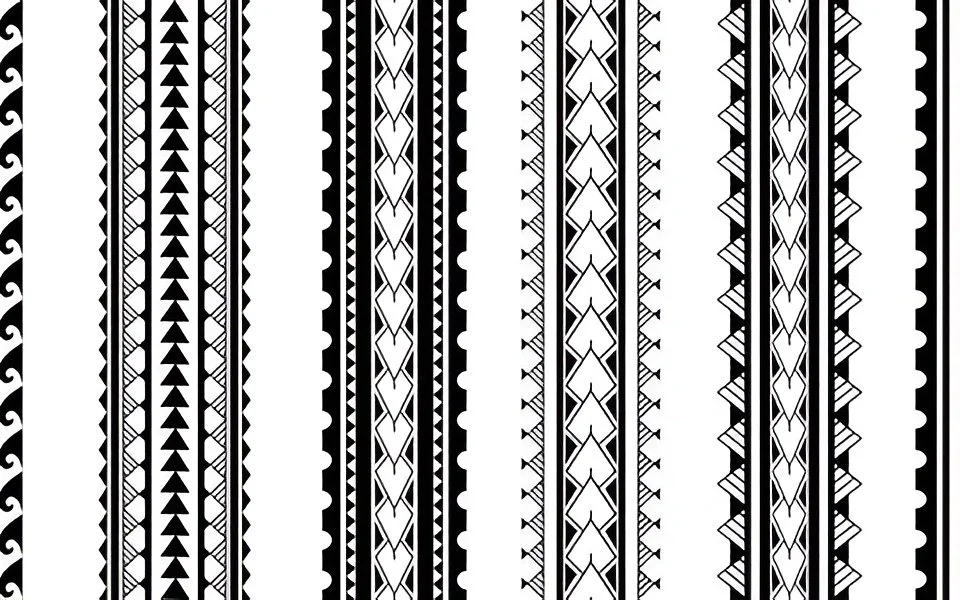
The most effective sleeve-ready stencil types include smoke and cloud background patterns, dotwork connector elements, star and sparkle scatter clusters, geometric linking shapes, wave and flow patterns for Japanese-style backgrounds, and botanical filler stems. These stencil types are specifically designed to adapt around existing tattoo shapes and fill irregular negative space without creating visual conflict with surrounding pieces.
For collectors building sleeves over time, planning filler stencils in advance — even before the final anchor pieces are added — produces significantly better compositional results than filling gaps reactively. See our guide to tattoo filler ideas for sleeve compositions and gap filler tattoo ideas for specific design directions.
How to Choose the Right Tattoo Stencil Design
Selecting a tattoo stencil involves matching the design to the placement area, the surrounding tattoos, the artist’s style, and the intended role the tattoo will play in the overall composition. A stencil that looks strong as a standalone design may not work as a filler; a sleeve connector stencil may be too subtle as a primary piece.
- Placement determines shape — long vertical stencils suit the forearm and calf; wider designs suit the chest, upper arm, and back
- Scale to the body, not the screen — print a test version at actual size before finalizing; most designs need adjustment when seen at tattoo scale
- Consider surrounding tattoos — a stencil should complement what is already there, not compete with it
- Prioritize readability over detail — more detail in a stencil rarely means a better tattoo; clean, clear structure produces better results
- Match style to artist — confirm your chosen artist has portfolio examples of the stencil style you are requesting
For placement-specific stencil guidance, see our guides to forearm tattoo design for men and tattoo filler ideas for small gaps.
Common Tattoo Stencil Mistakes to Avoid
- Overcrowding the design — too many lines in a small area creates a stencil that is difficult to tattoo and a result that blurs quickly
- Wrong sizing for the placement area — always print at actual size and test on the body before the session
- Ignoring negative space — negative space is a compositional tool in tattooing; it improves readability and long-term aging
- Placing symmetrical designs without adjusting for body contour — curved surfaces distort flat stencils; the design must be adapted for the specific curvature of the placement area
- Skipping client review — the stencil stage is the final opportunity to correct placement before it becomes permanent; always confirm client approval before proceeding
About the Author
Jessica Reed is a tattoo research writer and content specialist at TattooFillerIdeas.com, covering tattoo styles, placement guides, and design inspiration. View all articles by Jessica Reed →
👉 Tattoo Filler Ideas for Sleeve
👉 Tattoo Filler Ideas for Small Gaps
👉 Forearm Tattoo Design for Men
👉 Geometric Tattoo Filler Ideas
What is a tattoo stencil design?
A tattoo stencil design is a temporary outline transferred onto the skin before tattooing begins. It functions as a blueprint for the artist — establishing accurate placement, confirming proportions, and providing a consistent linework guide before any permanent ink is applied. Stencils are particularly important for symmetrical designs, large-scale sleeves, and detailed compositions where precise positioning across curved body surfaces is essential.
What is the difference between tattoo flash and a tattoo stencil?
Tattoo flash is finished reference artwork — a complete design that an artist or client selects from. A tattoo stencil is the transfer-ready outline that goes onto the skin before tattooing begins. Flash becomes a stencil when the artist prepares it for skin transfer: simplifying the design to its essential outline structure, sizing it for the placement area, and printing it onto thermal transfer paper. The stencil is applied to the skin; the flash remains as the visual reference.
What paper is used for tattoo stencils?
Professional tattoo artists primarily use thermal stencil paper (also called hectograph or spirit transfer paper) to prepare stencils for skin application. Thermal stencil paper requires a thermal printer to transfer the design. Traditional spirit paper requires hand-tracing with a ballpoint pen. Both produce a temporary ink outline on the skin that the artist follows during tattooing. Thermal transfer typically produces cleaner, more consistent results for detailed designs.
Can I print tattoo stencil designs at home?
Simple tattoo stencil designs can be printed at home using standard paper as a reference, but producing a proper skin-transfer stencil requires specialized thermal stencil paper and either a thermal printer or hand-tracing method. Home-printed paper designs can be useful for sizing reference and client approval, but the skin-transfer stencil itself needs to be prepared by the artist using appropriate transfer materials before the session.
Are simple tattoo stencil designs better for beginners?
Yes — simple stencil designs are consistently better for beginners, both as clients and as artists. For clients, simple stencils with clean outlines and adequate negative space produce tattoos that heal well, age well, and remain readable over years. For beginner artists, simple stencils are easier to transfer accurately, easier to follow during tattooing, and less likely to produce placement errors. Complex stencils require significantly more technical skill to execute successfully.
Do professional tattoo artists always use stencils?
Most professional artists use stencils as standard practice for detailed, symmetrical, or large-scale work — not as a shortcut, but as the most reliable method for placement precision and compositional accuracy. Some experienced artists work freehand for specific styles (tribal, brush stroke, organic abstract) where the spontaneous quality of freehand application is part of the aesthetic. For geometric, realism, Japanese, and sleeve compositions, stencil preparation is the industry standard.



Great guide on tattoo stencil design. It’s true that a good stencil acts like the blueprint of the tattoo and helps keep the lines and proportions clean during the process.
Great guide on tattoo stencil design. It’s true that a good stencil acts like the blueprint of the tattoo and helps keep the lines and proportions clean during the process.