80+ Fine Line Tattoo Filler Ideas: Minimalist & Elegant Tattoo Designs
Fine line tattoo filler ideas are one of the most effective ways to complete a tattoo sleeve without disrupting the main design. Using precision linework, delicate symbols, and subtle geometric accents, fine line fillers bridge gaps between larger tattoos while maintaining visual clarity and compositional balance. This guide covers the best fine line filler styles, where they work best, and how to choose the right design for your sleeve.
Table Of Content
- Why Fine Line Tattoo Fillers Work So Well
- Best Fine Line Tattoo Filler Ideas for Sleeves
- Tiny Symbols and Micro Icons
- Fine Line Geometric Fillers
- Micro Linework and Flow Patterns
- Nature-Inspired Fine Line Fillers
- Minimalist Fine Line Designs
- Where Fine Line Fillers Work Best on the Sleeve
- Combining Fine Line Fillers With Other Tattoo Styles
- How to Choose the Right Fine Line Filler for Your Sleeve
- About the Author
- What are fine line tattoo filler ideas?
- Do fine line fillers work for tattoo sleeves?
- Are fine line tattoos good for small gaps?
- Do fine line tattoos fade faster than bold tattoos?
- What are the most popular fine line tattoo filler ideas?
- How do I choose the right fine line filler for my sleeve?


Why Fine Line Tattoo Fillers Work So Well
Fine line fillers occupy a unique position in tattoo composition — they are present enough to close visual gaps and create flow, but restrained enough to avoid competing with the main pieces they surround. This balance is what makes them one of the most requested filler approaches in contemporary tattooing.
Unlike heavy shading or bold traditional fillers, fine line work adds structural detail without visual weight. The result is a sleeve that reads as intentionally composed rather than incrementally assembled — even when the tattoos were added over months or years.
- Maintain visual harmony — thin lines don’t overpower surrounding tattoos regardless of style or subject
- Fill awkward negative space — irregular gaps that resist standard filler shapes respond well to custom fine line compositions
- Connect design elements — flowing linework creates directional movement that guides the eye across the sleeve
- Age well with proper technique — line weights of 0.5–1mm applied at correct depth hold their clarity over years
- Versatile across styles — fine line fillers integrate naturally with geometric, floral, realism, and blackwork tattoos
Best Fine Line Tattoo Filler Ideas for Sleeves
Tiny Symbols and Micro Icons
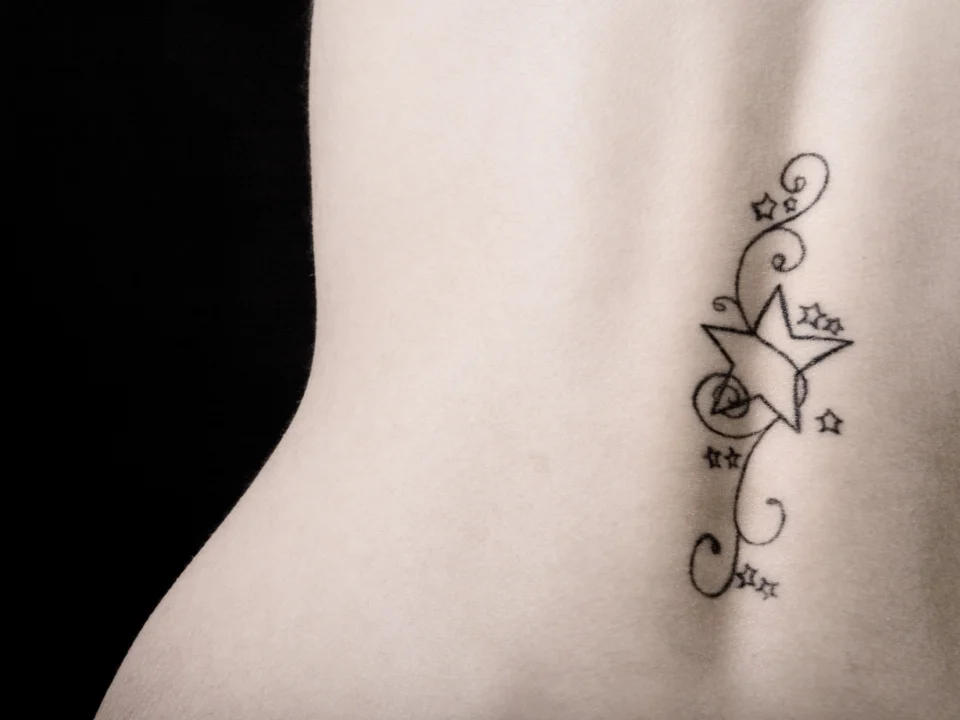
Micro symbols are the most versatile fine line filler option. Their small footprint allows them to occupy gaps of almost any shape or size, and their visual neutrality makes them compatible with virtually every surrounding tattoo style.
The most effective micro symbol fillers include stars and sparkles, crescent moons, minimalist arrows, fine line crosses, small dots and dot clusters, tiny diamonds, and single-line geometric shapes. The key is consistency — micro symbols used as fillers should maintain the same line weight and visual scale throughout the sleeve to read as a cohesive system rather than random additions.

Fine Line Geometric Fillers
Geometric patterns executed in fine linework create structured visual accents that complement both organic and geometric main tattoos. The precision required by geometric design suits fine line technique naturally — clean angles and consistent proportions are easier to achieve and maintain with thinner line weights.
Effective geometric fine line fillers include small equilateral triangles, hexagon outlines, linework grids, mini mandala fragments, sacred geometry accents such as Vesica Piscis or Seed of Life sections, and fine line diamond shapes. These work particularly well between geometric sleeve pieces where a stylistic bridge between sections is needed without adding new subject matter.


Micro Linework and Flow Patterns
Where individual symbols fill discrete gaps, micro linework patterns fill transitional zones — the spaces between tattoos that require directional movement rather than a contained design element. These patterns create visual momentum that carries the eye from one tattoo section to another.
The most effective linework fillers include parallel line groups, flowing curves that mirror the arm’s contour, fine line wave patterns, connecting arcs between two tattoo edges, and spiral or helix accents. These are best designed custom for the specific gap they are filling rather than sourced from reference images — the shape of the negative space dictates the linework direction.


Nature-Inspired Fine Line Fillers
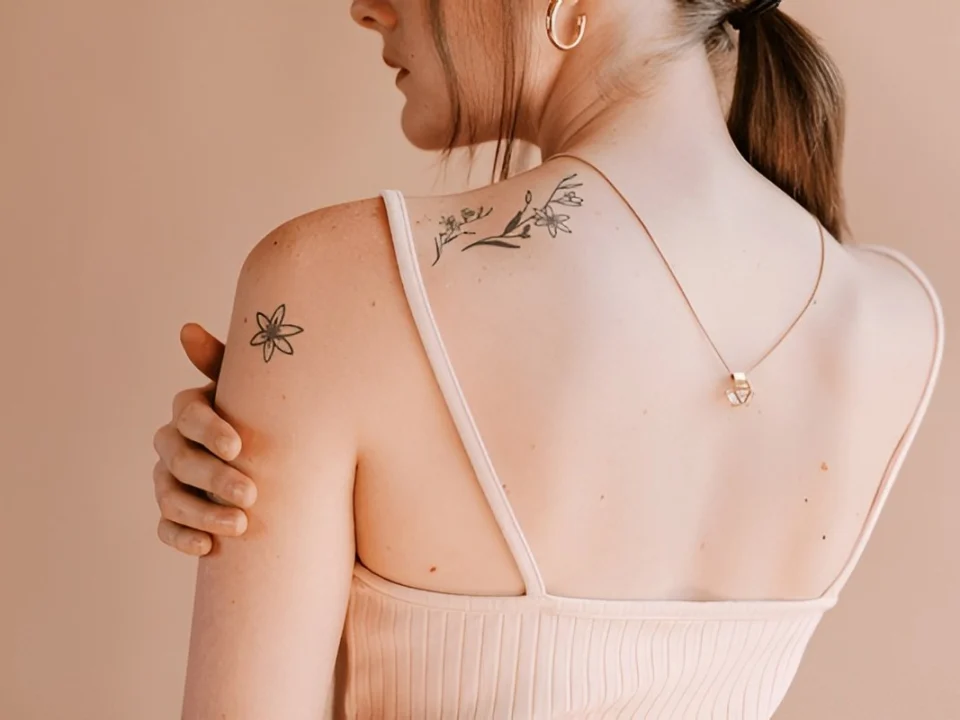
Botanical and nature-based fine line fillers are particularly effective for softening sleeves that contain bold or angular main tattoos. Organic forms — stems, leaves, petals, branches — introduce a sense of natural movement that contrasts productively with geometric or figurative subjects.
Popular nature-inspired fine line filler options include single stems with fine line leaves, cherry blossom branch fragments, delicate vine trails, minimal petal scatters, fine line fern fronds, and single-line botanical outlines. These work exceptionally well in mixed-style sleeves where organic fillers provide neutral ground between stylistically different main pieces.
Minimalist Fine Line Designs
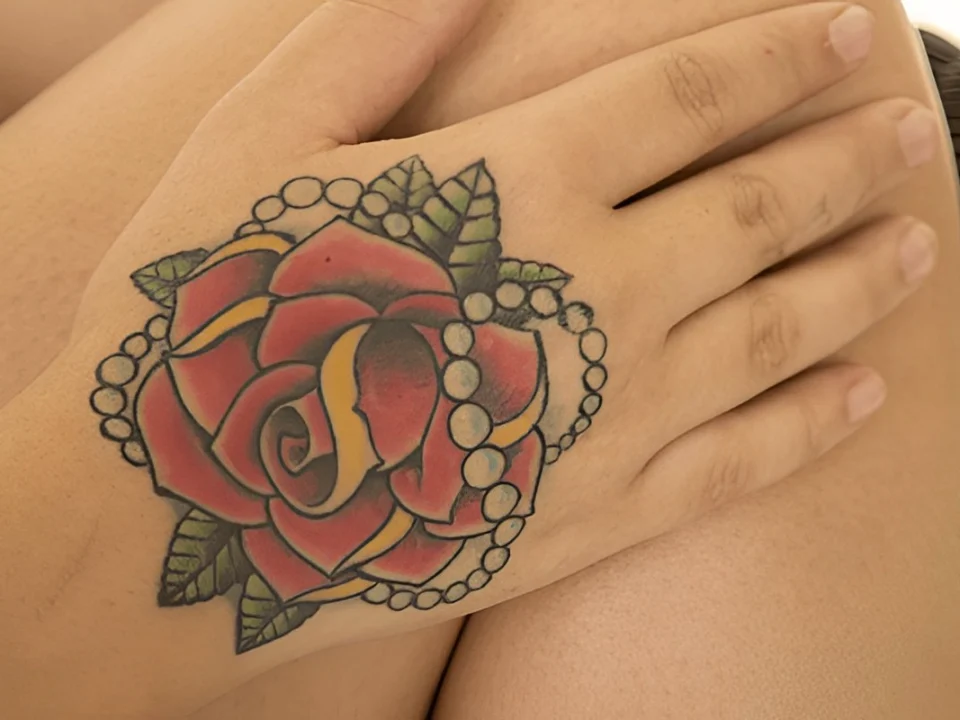
For sleeves with a deliberately restrained aesthetic, minimalist fine line designs — single-line portraits, continuous line shapes, negative space compositions — function as both fillers and accent pieces. These designs are complex enough to hold visual interest independently while remaining light enough to avoid dominating the composition.


Where Fine Line Fillers Work Best on the Sleeve
Placement strategy determines whether a fine line filler enhances or disrupts the sleeve’s visual flow. The most important factor is understanding what visual problem the filler is solving — closing a gap, creating directional movement, or softening a harsh transition — and selecting a design that addresses that specific need.
- Between larger sleeve tattoos — the primary use case; fine line fillers bridge the negative space without adding visual competition
- Elbow transition zone — one of the most challenging areas for sleeve composition; fine line flow patterns handle the irregular surface and constant skin movement better than solid fill
- Wrist gaps — micro symbols and delicate linework suit the narrower available space near the wrist
- Patchwork connectors — fine line fillers are among the most effective options for patchwork sleeve compositions where preserving the individuality of each piece is important
- Background texture zones — fine line stippling or micro dot patterns can add background depth without the visual dominance of solid shading
For very small gaps specifically, see our dedicated guide to tattoo filler ideas for small gaps — it covers sizing, style matching, and placement for gaps under 3cm.

Combining Fine Line Fillers With Other Tattoo Styles
Fine line fillers are one of the most stylistically neutral filler options available — they integrate naturally with almost every tattoo genre, provided line weight and technique are consistent with the surrounding work.
- Geometric sleeves — geometric fine line accents extend the sleeve’s structural language into the filler zones without introducing new visual vocabulary
- Black and grey realism — fine line botanical or flow elements complement the tonal range of realism work without competing with shading depth
- Patchwork tattoos — fine line fillers bridge patchwork gaps while preserving the visual separation between individual pieces
- Minimalist sleeves — single-line and micro symbol fillers are the natural companion to minimalist main tattoos
- Mixed-style sleeves — fine line work functions as neutral connective tissue between stylistically different tattoos
For sleeves that already include geometric elements, fine line fillers complement geometric tattoo filler ideas by adding lighter-weight detail between the heavier structural pieces. They also work alongside gap filler tattoo designs for a layered approach to sleeve completion.

How to Choose the Right Fine Line Filler for Your Sleeve
Fine line filler selection requires the same deliberate approach as any other tattoo decision. The filler must serve the sleeve’s visual logic — not simply occupy empty space.
- Match line weight to surrounding tattoos — fillers with heavier lines than the surrounding work will visually dominate; fillers with lighter lines than everything else will disappear. Consistency is the goal.
- Respect intentional negative space — not every gap needs a filler. Some negative space is compositionally valuable. Assess whether the gap disrupts the sleeve’s visual flow before filling it.
- Design fillers after main pieces are complete — experienced artists typically plan filler placements after the surrounding tattoos are healed, not before. This ensures the filler responds to the actual shapes and edges present rather than anticipated ones.
- Consider long-term aging — very fine linework under 0.3mm can soften significantly within 5 years. Discuss minimum line weight with your artist before committing to extremely delicate designs.
- Review your artist’s healed fine line work — fine line tattoos are technically demanding. Always request healed examples — not just fresh photos — before choosing an artist for fine line filler work.

Great tattoo sleeves aren’t only about the main pieces — the fine line fillers between them determine how smoothly everything flows together.
About the Author
Jessica Reed is a tattoo research writer and content specialist at TattooFillerIdeas.com, covering tattoo styles, placement guides, and design inspiration for men and women. View all articles by Jessica Reed →
👉 Tattoo Filler Ideas for Small Gaps
👉 Tattoo Filler Ideas for Patchwork Sleeves
👉 Geometric Tattoo Filler Ideas
👉 Tattoo Filler Ideas for Sleeve
What are fine line tattoo filler ideas?
Fine line tattoo fillers are small, precisely executed tattoo elements created with thin linework — typically 0.3mm to 1mm in width — used to fill gaps between larger tattoos in a sleeve or composition. Common fine line filler types include micro symbols (stars, moons, arrows), geometric accents (triangles, hexagons, mandala fragments), botanical elements (leaves, stems, petals), and flow patterns (parallel lines, curves, wave shapes). They add visual structure and compositional flow without overpowering the surrounding tattoos.
Do fine line fillers work for tattoo sleeves?
Yes — fine line fillers are one of the most effective options for completing tattoo sleeves, particularly for patchwork compositions and mixed-style sleeves where heavier filler options would create visual conflict. Their minimal visual weight allows them to close gaps and create directional flow without competing with the main tattoo pieces. They work across virtually all tattoo styles, including geometric, realism, blackwork, floral, and minimalist sleeves.
Are fine line tattoos good for small gaps?
Yes — fine line fillers are particularly well-suited to small gaps under 3cm where larger filler options would look oversized or visually heavy. Micro symbols, single-line botanical elements, and fine linework patterns can fill very small irregular spaces that resist standard filler shapes. The key is matching line weight to surrounding tattoos so the filler reads as part of the overall composition rather than a patch.
Do fine line tattoos fade faster than bold tattoos?
Fine line tattoos can soften over time more visibly than bold linework because the thinner lines have less ink volume to absorb the gradual spread caused by skin movement and UV exposure. However, fine line work applied at correct depth with appropriate line weights — typically 0.5mm or above for fillers — holds its clarity well over years with proper aftercare and sun protection. Very thin lines under 0.3mm are the highest aging risk. Always review healed examples of your artist’s fine line work before committing to a design.
What are the most popular fine line tattoo filler ideas?
The most popular fine line tattoo filler ideas include micro star and sparkle clusters, fine line geometric shapes (triangles, hexagons, sacred geometry fragments), delicate botanical elements (single stems, leaves, cherry blossom branches), minimalist symbols (arrows, moons, dots), and micro linework flow patterns (parallel lines, wave shapes, connecting arcs). The best choice depends on the style of surrounding tattoos — geometric sleeves suit geometric fine line fillers; organic or floral sleeves suit botanical fine line elements.
How do I choose the right fine line filler for my sleeve?
Choose a fine line filler by first identifying what visual problem the gap is causing — is it disrupting flow, creating an awkward empty zone, or leaving a compositional imbalance? Then select a filler style that matches the line weight, shading approach, and visual language of the surrounding tattoos. Geometric fillers suit geometric sleeves; botanical fillers suit organic compositions; micro symbols suit mixed-style or minimalist sleeves. Always work with your tattoo artist to finalize the design after surrounding pieces are healed — the actual shapes and edges of existing tattoos should inform the filler design directly.