
Small Tattoo Filler Ideas: 70+ Tiny Gap Fillers to Complete Your Ink
Small tattoo filler ideas are the compositional element that separates a finished sleeve from a collection of unrelated tattoos. Even the most carefully planned tattoo layouts leave behind irregular gaps — spaces too small for a full design but too prominent to ignore. The right small filler closes those gaps, creates visual flow between unrelated pieces, and adds depth and texture to the surrounding composition without drawing attention away from the main tattoos. This guide covers the most effective small filler designs, where they work best, and how to choose the right one for your specific sleeve.
Table Of Content
- Why Small Tattoo Fillers Matter
- Most Popular Small Tattoo Filler Ideas
- Stars and Sparkles
- Dots and Dotwork Trails
- Mini Mandalas and Sacred Geometry Accents
- Micro Roses and Botanical Accents
- Lightning Bolts and Energy Accents
- Smoke and Background Shading
- Fine Line Geometric Accents
- Hearts and Minimalist Symbols
- Best Placements for Small Tattoo Fillers
- How to Choose the Right Small Filler
- About the Author
- What are small tattoo filler ideas?
- What are the most popular small tattoo fillers?
- How do I choose the right small filler for my sleeve?
- Can small fillers be added to an existing sleeve later?
- Do small tattoo fillers hurt more than regular tattoos?
- Are small tattoo fillers necessary?

Why Small Tattoo Fillers Matter
Small fillers do far more than occupy empty skin. Used correctly, they shape the visual rhythm of an entire sleeve — creating the sense that the composition was designed as a whole rather than assembled piece by piece over time.
The three primary compositional functions of small tattoo fillers are balance and flow, depth and texture, and controlled negative space management.
Balance and flow — small fillers connect unrelated tattoos by creating visual bridges between them. A scatter of micro stars between a skull and a floral piece, for example, provides enough visual connective tissue to make both designs read as part of the same sleeve rather than separate tattoos placed near each other.
Depth and texture — dotwork clusters, stippling patterns, and micro shading add background texture that gives the sleeve dimensional depth. These elements work best when they recede visually — present but not competing with the main tattoos for attention.
Negative space management — not every gap needs a filler, and small fillers are the most appropriate tool for making this judgment. A well-placed micro element can redirect the eye away from a distracting gap without filling it completely, preserving intentional breathing room in the composition.

Most Popular Small Tattoo Filler Ideas
Stars and Sparkles
Stars are the single most requested small filler element in contemporary tattooing. Their appeal lies in their compositional flexibility — they scale from micro (under 1cm) to medium (3–4cm), fit naturally into irregular spaces of almost any shape, and work across virtually every tattoo style from traditional to fine line minimalism.
Scatter arrangements create directional movement across the sleeve; tight groupings anchor a specific transition zone. Nautical stars, four-pointed geometric stars, and fine line sparkles each carry slightly different visual weight — choose based on the line weight of surrounding tattoos rather than purely on aesthetic preference.
Dots and Dotwork Trails
Dot clusters and dotwork trails are the subtlest small filler option available. They add visual texture and gradient shading between tattoos without introducing any recognizable subject matter that could compete with surrounding designs. This makes them particularly effective as background-layer fillers in sleeves where compositional clarity is already high.
Dotwork trails — clusters that graduate in density from larger dots near the tattoo edge to single dots further away — create a natural fading effect that softens hard tattoo borders. This technique is especially useful between black and grey realism pieces and lighter surrounding skin.

Mini Mandalas and Sacred Geometry Accents
Mini mandalas add radial symmetry and spiritual aesthetic to sleeve compositions without requiring the dedicated space of a full mandala piece. At 2–4cm, they function as accent fillers that bring visual weight and intentionality to gap zones that simple dots or stars would leave feeling underfilled.
Sacred geometry fragments — partial Flower of Life sections, triangular sacred geometry accents, and single-ring mandala outlines — work particularly well between geometric or blackwork main tattoos where structural visual language already exists in the sleeve.

Micro Roses and Botanical Accents
Small roses at 2–3cm provide one of the most compositionally versatile small filler options available. They soften darker or more aggressive sleeve themes, add organic contrast to geometric or blackwork compositions, and work naturally in both traditional and neo-traditional contexts.
Beyond roses, small botanical accents — single stems, leaf sprigs, cherry blossom fragments, and minimal petal scatters — are effective nature-inspired fillers for sleeves that benefit from organic movement between heavier subjects. These work especially well in mixed-style sleeves where a neutral visual element is needed between stylistically different main pieces.
Lightning Bolts and Energy Accents
Lightning bolt fillers add directional energy and visual motion to gap zones between high-impact tattoos. They suit sleeves with aggressive, dark, or mythology-themed subjects — skull tattoos, warrior imagery, dark realism, and bold blackwork all benefit from the kinetic quality lightning accents provide.
Use lightning bolt fillers selectively — their visual loudness means too many in a single composition creates noise rather than flow. One or two well-placed energy accents per sleeve section is typically the most effective approach.
Smoke and Background Shading
Smoke and cloud filler elements are the most effective option for medium-to-large gaps where smaller micro symbols would look insufficient. They create directional flow, produce natural dark-to-light transitions, and add atmospheric depth that complements black and grey realism, Japanese-style, and neo-traditional sleeves particularly well.
Smoke fillers also function as the connective tissue between two otherwise unrelated tattoos — the soft, directional quality of smoke draws the eye across the gap naturally, creating the visual impression of compositional intention even between pieces that were tattooed years apart.
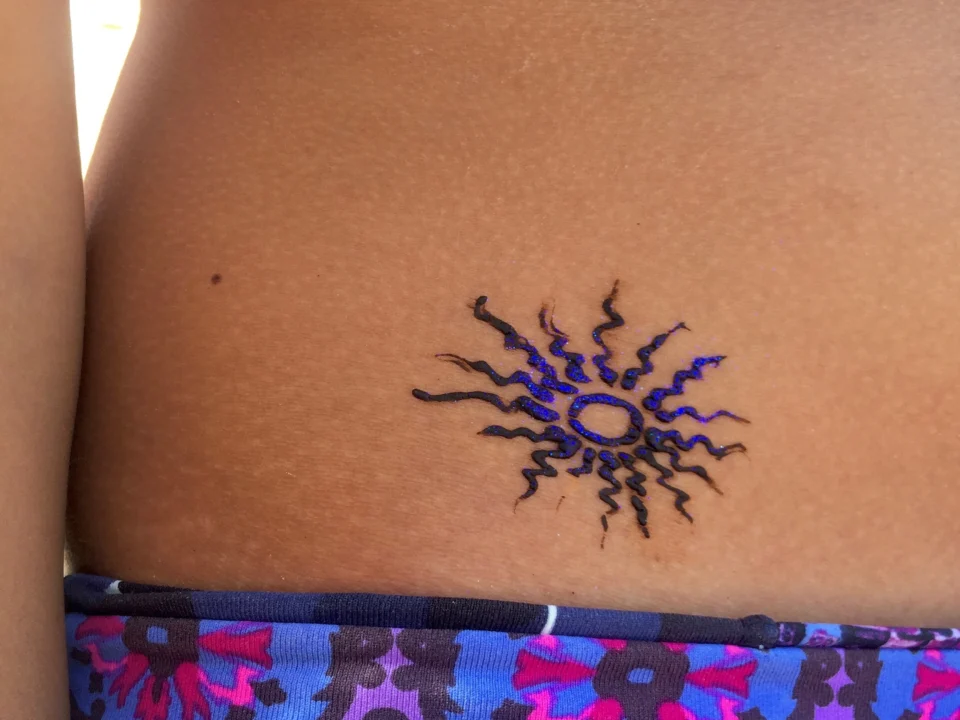
Fine Line Geometric Accents
Fine line geometric micro fillers — small triangles, hexagon outlines, linework grids, and angular accents — provide structured visual elements for sleeves where geometry is already part of the compositional language. They are particularly effective between geometric main pieces and in blackwork sleeves where the structural vocabulary of the filler must match the surrounding work.

Hearts and Minimalist Symbols
Minimalist symbol fillers — small hearts, arrows, moons, crosses, and single-line icons — are the most personal small filler category. They suit sleeves where individual pieces carry personal meaning and the filler zones should maintain that emotional register rather than defaulting to purely decorative elements.

Best Placements for Small Tattoo Fillers
Placement strategy determines whether a small filler enhances or disrupts the sleeve’s visual flow. The gap’s shape, size, and position within the sleeve all influence which filler type and scale is appropriate.
- Between sleeve tattoos — the primary use case; small fillers bridge the negative space between large forearm or upper arm pieces without adding visual competition
- Elbow and ditch areas — one of the most challenging zones for sleeve composition; the irregular surface and constant skin movement make micro fillers and dotwork the most durable options here
- Chest and shoulder transitions — small fillers smooth the visual edge between chest panels and arm sleeves, creating compositional continuity across different body areas
- Patchwork sleeves — the highest-demand use case for small fillers; see our complete guide to tattoo filler ideas for patchwork sleeves for specific design strategies
- Wrist transition zones — the narrow available space near the wrist suits micro symbols, single dots, and fine line accents specifically

How to Choose the Right Small Filler
Small filler selection requires matching the design to the sleeve’s existing visual language — not simply filling the available space with something that fits. A filler that looks visually appealing in isolation may create compositional conflict when placed next to the surrounding tattoos.
- Match line weight to surrounding tattoos — a fine line filler next to a bold traditional piece creates visual inconsistency; consistency in line weight is the primary marker of a well-composed sleeve
- Match style to the sleeve’s dominant aesthetic — traditional sleeves suit stars, roses, and daggers; Japanese sleeves suit wind bars and smoke; geometric sleeves suit mandala fragments and linework accents; realism sleeves suit dotwork and soft shading
- Respect intentional negative space — not every gap needs a filler; assess whether the gap disrupts the sleeve’s flow before filling it
- Follow the body’s natural contours — fillers placed along muscle direction and natural body curves read more naturally than those placed against them
- Plan fillers with your artist — the best time to plan filler placement is during the initial sleeve consultation, not after all the main pieces are healed
For background layering specifically, combining dotwork tattoo filler ideas with smoke shading creates depth without clutter — one of the most effective compositional approaches for densely tattooed sleeves.
The principle of negative space — the deliberate use of empty areas to define and balance a composition — is as relevant in tattoo design as in any other visual art form. The Getty Museum’s guide to formal analysis in visual art explains how negative space, proportion, and compositional balance work together to create visual harmony — the same principles that guide effective small tattoo filler placement.


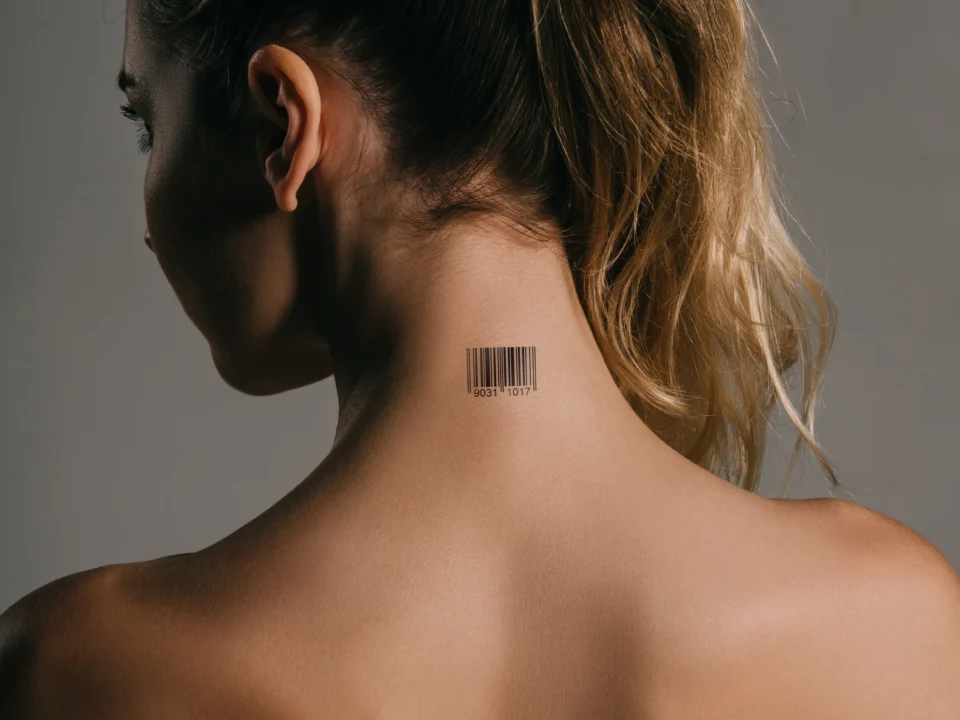
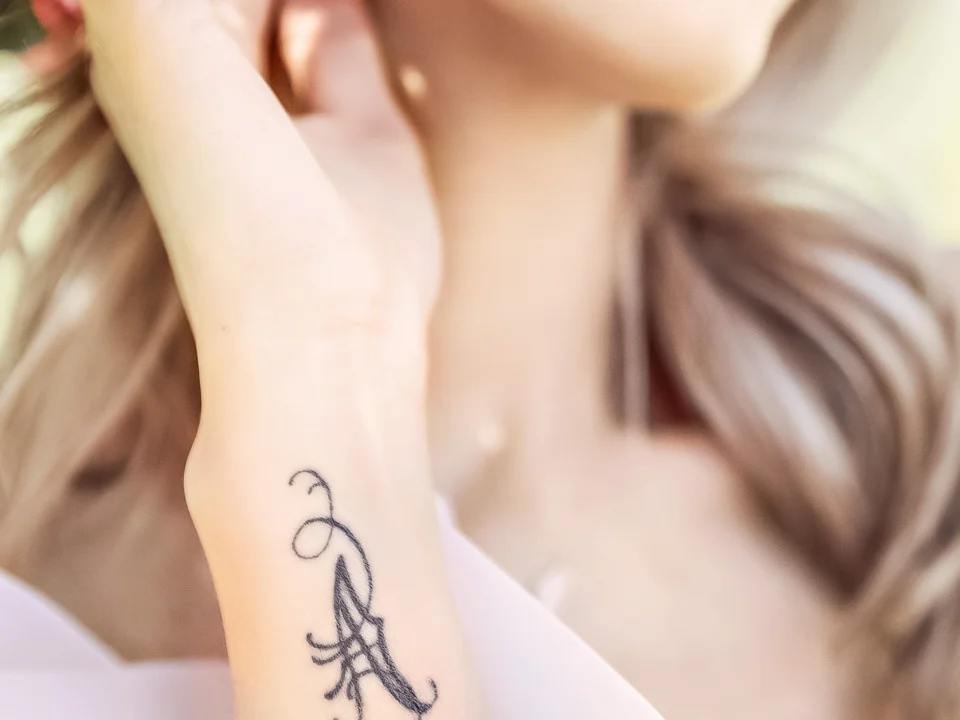
Small tattoo fillers are the invisible threads that tie an entire sleeve together — subtle, but essential for flow and balance.
About the Author
Jessica Reed is a tattoo research writer and content specialist at TattooFillerIdeas.com, covering tattoo styles, placement guides, and design inspiration. View all articles by Jessica Reed →
👉 Tattoo Filler Ideas for Sleeve
👉 Geometric Tattoo Filler Ideas
👉 Tattoo Filler Ideas for Patchwork Sleeves
👉 Tattoo Filler Ideas for Small Gaps
👉 Fine Line Tattoo Filler Ideas
What are small tattoo filler ideas?
Small tattoo fillers are compact designs — typically under 5cm — used to fill irregular gaps between larger tattoos in a sleeve or body composition. They function as compositional connectors that create visual flow, add background texture, and balance negative space without drawing attention away from the main tattoos. Common small filler types include micro stars, dot clusters, mini mandalas, small roses, fine line geometric accents, smoke shading, and minimalist symbols.
What are the most popular small tattoo fillers?
The most popular small tattoo fillers are micro stars and sparkles, dotwork clusters, mini mandalas, small roses, lightning bolts, smoke and cloud accents, fine line geometric shapes, and minimalist symbols (hearts, arrows, moons). Stars are consistently the most requested — they scale to almost any gap size, fit irregular spaces naturally, and work across every tattoo style. Dotwork is the most versatile background-layer option for sleeves with existing shading or tonal depth.
How do I choose the right small filler for my sleeve?
Match the small filler to the sleeve’s dominant visual language — specifically its line weight, shading style, and aesthetic direction. Traditional sleeves suit stars, roses, and daggers. Japanese sleeves benefit from wind bars, smoke, and wave accents. Geometric sleeves pair with mandala fragments and linework grids. Realism sleeves work best with dotwork and soft shading. Consistency in line weight between the filler and surrounding tattoos is the most important factor in making a filler read as part of the sleeve rather than an addition to it.
Can small fillers be added to an existing sleeve later?
Yes — many sleeves are completed with fillers months or years after the main tattoos are healed. This is actually the recommended approach: completing the main anchor pieces first gives a clearer picture of where compositional gaps exist and what filler scale and style will work best within the existing layout. The only consideration is ensuring the filler line weight and technique are consistent with the healed surrounding tattoos.
Do small tattoo fillers hurt more than regular tattoos?
Pain levels for small fillers depend primarily on placement rather than the filler’s size. Elbow ditch areas, inner wrist zones, and areas directly over tendons or bone are consistently more sensitive regardless of tattoo size. Because small filler sessions are typically brief — 15 to 45 minutes — the duration of discomfort is shorter than for larger pieces even in sensitive placements.
Are small tattoo fillers necessary?
Not always — intentional negative space is a legitimate compositional choice, and not every gap requires a filler. The question to ask is whether the gap disrupts the sleeve’s visual flow or creates an awkward dead zone that pulls the eye away from the main tattoos. If yes, a small filler is the appropriate solution. If the negative space feels balanced and intentional, leaving it unfilled is often the better compositional decision.

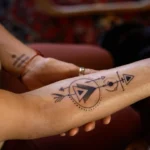
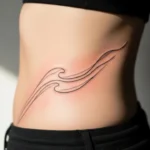


I’ve been looking for small tattoo filler ideas to finish the empty spaces on my sleeve, and this post gave me some great direction. The tiny symbols and minimal fillers you shared are perfect for keeping the design balanced without overcrowding the main pieces. Small details really do make a big difference in the overall flow.
❤